Hair Love on the Mend: How Simple Habits Brought My Glow Back
Ever noticed your hair thinning after a rough patch? I did. Stress, poor sleep, and bad eating habits left my strands brittle and lifeless. But instead of chasing quick fixes, I focused on healing my body first. Turns out, healthy hair isn’t about expensive serums—it starts from within. This is how small, doable changes in daily routines revived not just my hair, but my overall vitality.
The Wake-Up Call: When Hair Reflects Inner Health
It started subtly—a few extra strands in the brush, then more in the shower drain. At first, I dismissed it as seasonal shedding. But when my ponytail noticeably thinned and my part widened, I could no longer ignore the signs. This wasn’t just hair loss; it was a message from my body. I had been pushing through months of sleepless nights, skipped meals, and constant stress. I was running on caffeine and willpower, unaware that my body was silently redirecting resources away from non-essential functions like hair growth.
Hair has a unique way of reflecting internal health because it’s deeply tied to the body’s recovery systems. The hair growth cycle consists of three phases: anagen (growth), catagen (transition), and telogen (resting). Under normal conditions, about 90% of hair follicles are in the anagen phase. But physical or emotional stress can trigger a condition known as telogen effluvium, where a large number of follicles shift prematurely into the resting phase. This leads to increased shedding, typically noticed two to three months after the initial stressor.
What many don’t realize is that hair is not a priority organ when the body is under strain. When nutrient supply is limited or hormones are imbalanced—often due to chronic stress, illness, or poor diet—the body conserves energy by slowing down processes like hair production. This means that treating visible symptoms such as split ends or dandruff without addressing root causes like inflammation, nutrient deficiency, or hormonal fluctuations will only offer temporary relief. Lasting improvement requires looking beyond the mirror and understanding what’s happening beneath the surface.
For me, the turning point was recognizing that my hair wasn’t failing me—my lifestyle was failing my hair. Once I accepted this, I stopped blaming genetics or age and began focusing on what I could control: my daily habits. Healing had to start from the inside out, and that meant rethinking everything from what I ate to how I rested.
Fueling from Within: Nutrition That Supports Hair and Healing
One of the most powerful levers for hair recovery is nutrition. Hair is made mostly of keratin, a type of protein, so the body needs a steady supply of high-quality protein to maintain growth. But protein is just the beginning. Iron, zinc, biotin, vitamin D, and omega-3 fatty acids all play critical roles in supporting strong, resilient strands. When any of these nutrients fall short, the effects often show up first in the hair—thin texture, slow growth, or increased shedding.
Iron deficiency, for example, is one of the most common nutritional causes of hair loss, especially among women. Iron helps red blood cells carry oxygen to hair follicles, fueling their activity. When iron stores are low, follicles may become dormant. Similarly, zinc supports the oil glands around follicles and helps regulate the immune system, which plays a role in preventing scalp inflammation. Biotin, often marketed as a hair supplement, does support keratin production—but most people get enough from their diet unless they have a rare deficiency.
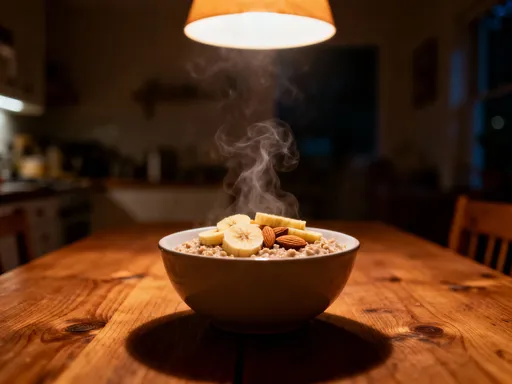
Rather than turning to supplements right away, I focused on building balanced meals that naturally provided these nutrients. I started including eggs at breakfast—rich in protein, biotin, and selenium. At lunch, I added leafy greens like spinach, which offer iron and folate, paired with a source of vitamin C (like bell peppers or citrus) to enhance iron absorption. For dinner, I incorporated fatty fish like salmon when possible, or plant-based omega-3s from chia seeds and walnuts. Sweet potatoes became a staple for their beta-carotene, which the body converts into vitamin A—essential for scalp health, though in moderation to avoid excess.
The key was consistency, not perfection. I didn’t follow a strict diet or eliminate entire food groups. Instead, I made small, sustainable shifts: choosing whole grains over refined carbs, drinking more water, and reducing processed snacks. Over time, I noticed my energy improved, my skin cleared, and my hair began to feel thicker. Nutrition wasn’t just about feeding my hair—it was about nourishing my entire system, creating the foundation for lasting recovery.
Sleep and Stress: The Silent Hair Killers (and How to Beat Them)
If nutrition fuels the body, sleep is when the repair work happens. During deep sleep, the body releases growth hormone, repairs tissues, and balances hormones—including cortisol, the primary stress hormone. When sleep is disrupted or insufficient, this restoration process falters. Cortisol levels remain elevated, which can lead to inflammation and disrupt the hair growth cycle. Chronic stress, whether from work, caregiving, or emotional strain, signals the body to stay in survival mode, diverting energy from hair production.
I realized I was caught in a cycle: stress kept me awake, poor sleep made me more reactive to stress, and my hair paid the price. Breaking this pattern required more than just aiming for eight hours—I needed quality rest. I began establishing a wind-down routine an hour before bed. That meant no screens, which emit blue light that suppresses melatonin, the hormone that regulates sleep. Instead, I read a book, sipped herbal tea, or practiced gentle breathing exercises. Even five minutes of slow, deep breathing helped calm my nervous system and signaled to my body that it was safe to rest.
I also introduced light stretching before bed—simple movements like shoulder rolls, neck releases, and seated forward bends. These weren’t intense workouts; they were ways to release the physical tension I carried from sitting at a desk or juggling daily responsibilities. Over time, this routine became a form of self-care, a quiet promise to myself that I was worth the time and attention.
Consistency mattered more than perfection. Some nights were still restless, and that was okay. What changed was my relationship with rest. I stopped viewing sleep as lost productivity and began seeing it as essential maintenance. As my sleep improved, so did my mood, focus, and resilience. And within a few months, I noticed fewer hairs in my brush—a quiet but meaningful sign that my body was finally recovering.
Gentle Care, Real Results: A No-Frills Hair Routine
While internal healing was the foundation, I also reevaluated how I treated my hair externally. I had spent years using heat tools daily, pulling my hair into tight styles, and experimenting with harsh chemical treatments. These habits, while common, can contribute to breakage and weaken the hair shaft over time. I realized that aggressive styling wasn’t just damaging my hair—it was undermining the progress I was making from within.
I shifted toward a low-manipulation routine: wearing my hair loose more often, using soft scrunchies instead of tight elastics, and minimizing the use of flat irons and curling wands. When I did style my hair, I applied a heat protectant and used the lowest effective temperature. I also started sleeping on a silk pillowcase, which reduces friction and helps prevent tangles and breakage. These small changes didn’t require expensive products or drastic measures—they were simple acts of respect for my hair’s natural state.
I also became more mindful of the products I used. I switched to sulfate-free shampoos and conditioners with minimal ingredients, avoiding synthetic fragrances and parabens, which can irritate the scalp. Instead of chasing trends, I looked for products with nourishing components like aloe vera, coconut oil, or shea butter. I didn’t overhaul my entire routine overnight—I replaced items as I ran out, making thoughtful choices over time.
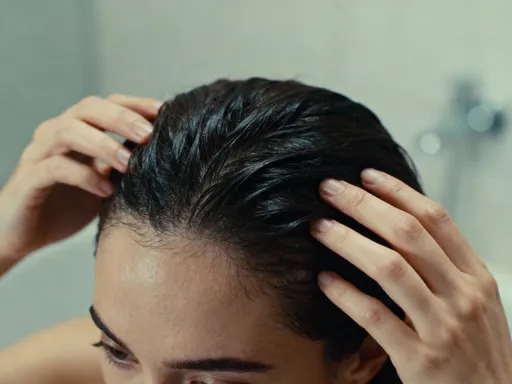
Scalp care became a new focus. I learned that a healthy scalp is essential for healthy hair growth. Just like the rest of the skin, the scalp needs circulation, hydration, and gentle exfoliation. I began incorporating light scalp massages into my routine, using my fingertips in circular motions for a few minutes while shampooing. This not only felt soothing but also helped stimulate blood flow to the follicles. Some weeks, I used a soft-bristle brush to gently exfoliate before washing. These practices turned hair care into a moment of mindfulness, a daily ritual of connection with my body.
Progress wasn’t immediate, and I had to resist the urge to measure results daily. Instead, I focused on how my hair felt—less dry, more resilient, with fewer split ends. Healing hair isn’t about dramatic transformations overnight; it’s about consistent, gentle care that allows the body’s natural processes to restore balance.
Movement That Heals: Exercise for Circulation and Balance
Physical activity became another pillar of my recovery. While I once viewed exercise as a way to burn calories or achieve a certain look, I began to see it as a form of healing. Movement improves circulation, delivering oxygen and nutrients to every part of the body—including the scalp. Enhanced blood flow supports follicle health and creates an optimal environment for growth.
I didn’t need intense workouts to benefit. Simple, low-pressure activities made a significant difference. Daily walks, especially in natural light, boosted my mood and energy. I noticed that on days I walked for 30 minutes, even at a slow pace, my stress levels were lower and my sleep was deeper. I also explored gentle yoga, focusing on poses that encouraged blood flow to the head, like downward dog or child’s pose. These weren’t performance-driven sessions—they were moments of presence, helping me reconnect with my body.
Stretching became a daily habit, not just before bed but throughout the day. Sitting for long periods can restrict circulation, so I made it a point to stand, stretch, or take short walks every hour. These micro-movements added up, improving my posture, reducing stiffness, and supporting overall vitality. I also discovered that movement helped clear my mind. The mental clarity I gained from a simple walk often brought new perspective to challenges I had been ruminating on.
The goal wasn’t intensity or speed—it was consistency and enjoyment. I stopped measuring success by calories burned or miles covered and started noticing how movement made me feel: more grounded, more capable, more alive. As my body moved better, my hair responded. It wasn’t a direct cause-and-effect, but part of a larger shift toward balance and well-being.
Time and Consistency: Why Healing Isn’t a Sprint
One of the hardest lessons was learning to be patient. Hair grows at an average rate of about half an inch per month, and changes take time to become visible. In the early weeks, I saw little difference in length or volume. But I began to notice other signs of progress: my skin looked clearer, my energy was more stable, and my mood felt lighter. These were the quiet victories—evidence that my body was healing even when the mirror didn’t reflect it yet.
I stopped obsessively tracking every strand and instead focused on how I felt overall. I kept a simple journal, noting small wins: a night of deep sleep, a nourishing meal, a moment of calm. Over time, these entries revealed a pattern of gradual improvement. Healing is not linear, and there were days when old habits crept back or stress flared up. But each time, I reminded myself that one setback didn’t erase progress. What mattered was returning to the routine, not perfection.
The body responds to consistency. Small, repeated choices—choosing water over soda, walking instead of scrolling, resting instead of pushing—compound over time. This principle applies not just to hair but to every aspect of health. The changes I made didn’t just restore my hair; they rebuilt my resilience, my energy, and my sense of self-care. Healing became less about fixing a problem and more about honoring my body’s need for balance and care.
By the three-month mark, I began to see visible changes. New growth appeared along my hairline, my part looked less wide, and my strands felt stronger. But more importantly, I felt different. I wasn’t just waiting for my hair to come back—I was living in a way that supported it every day.
Putting It All Together: A Lifestyle, Not a Fix
Looking back, I realize that my hair journey was never just about hair. It was a doorway into deeper self-awareness and holistic health. The habits I adopted—nourishing food, quality sleep, gentle movement, mindful care—didn’t just improve my hair; they transformed how I lived. I stopped seeing self-care as indulgence and began viewing it as essential maintenance, like oiling the gears of a well-tuned machine.
What made the difference was sustainability. I didn’t adopt extreme diets or punishing routines. Instead, I stacked small, manageable habits that fit into my real life. I learned to listen to my body, to recognize when I needed rest, and to respond with kindness rather than criticism. This shift in mindset was perhaps the most powerful change of all.
There are limits to what self-care can do, and that’s important to acknowledge. If hair loss persists despite healthy habits, it may be a sign of an underlying medical condition such as thyroid imbalance, autoimmune disease, or hormonal disorder. In those cases, professional evaluation from a healthcare provider or dermatologist is essential. Self-care is powerful, but it’s not a substitute for medical diagnosis or treatment.
Today, my hair is not what it was before the burnout—and that’s okay. It’s different, yes, but healthier, stronger, and more resilient. More than that, I feel more connected to my body and more confident in my ability to care for myself. True beauty, I’ve learned, isn’t about perfection. It’s about feeling strong, restored, and whole from the inside out. And that kind of glow? It lasts far longer than any trend.