Stand Tall, Live Strong: The Real Talk on Fixing Your Posture for Good
Ever caught yourself slouching at your desk, only to feel a dull ache creep into your neck and shoulders? You're not alone. Poor posture has become a silent epidemic, affecting how we move, feel, and even breathe. The good news? Science shows that with the right movements, your body can relearn alignment and strength. This isn’t about quick fixes—it’s about lasting change through smart, consistent exercise. Let’s explore how targeted movement reshapes your posture, boosts energy, and transforms the way you show up in the world.
The Posture Problem: Why It’s More Than Just Standing Up Straight
Poor posture is often dismissed as a minor habit—something to correct with a quick sit-up straight. But in reality, it’s far more significant than a cosmetic concern. It influences the mechanics of your entire body, from how efficiently your lungs expand to how much strain your spine endures over time. When alignment is off, even simple daily movements can place undue stress on joints, muscles, and connective tissues. Over months and years, this can lead to chronic discomfort, reduced mobility, and a noticeable decline in overall energy.
Common postural imbalances include forward head posture, rounded shoulders, and anterior pelvic tilt—patterns that have become increasingly prevalent in modern life. Forward head posture, for example, occurs when the head juts forward beyond the shoulders, often due to prolonged screen use. For every inch the head moves forward, the effective weight on the cervical spine increases by up to 10 pounds. This means that a mere three inches of forward positioning can place 30 extra pounds of load on the neck muscles, leading to fatigue, stiffness, and tension headaches.
Rounded shoulders are another widespread issue, especially among those who spend long hours at a desk or driving. This position shortens the chest muscles while weakening the upper back, particularly the lower trapezius and rhomboids. As a result, the shoulder blades wing outward and lose their stable base, compromising arm function and increasing the risk of shoulder impingement. Meanwhile, anterior pelvic tilt—where the pelvis tilts forward, exaggerating the curve in the lower back—is frequently linked to tight hip flexors and weak gluteal and abdominal muscles. This misalignment can contribute to lower back pain and inefficient movement patterns during walking or lifting.
The root of these issues often lies in lifestyle. Sedentary behavior, particularly prolonged sitting, is one of the most significant contributors to postural decline. When seated for hours, the hip flexors remain in a shortened position, the glutes become underactive, and the core muscles disengage. Over time, the body begins to adapt to this compromised position, treating it as the new normal. This neuromuscular adaptation means that even when standing, the body may default to slouching or leaning forward without conscious awareness. The result is a cycle of discomfort and dysfunction that can be difficult to break without intentional intervention.
Yet many people don’t recognize they have a postural problem until symptoms become persistent. Aching shoulders, stiff necks, or recurring back pain are often the first signs. By then, the body has likely been compensating for months or even years. The key is early recognition and proactive change. Understanding that posture is not just about appearance—but about function, comfort, and long-term health—shifts the focus from correction to prevention and sustainable improvement.
How Movement Rewires Your Body: The Science Behind Postural Change
One of the most empowering truths about posture is that it’s not fixed. The body has a remarkable ability to adapt and relearn proper alignment through movement. This process is grounded in motor learning—the way the brain and nervous system communicate with muscles to produce coordinated actions. When poor posture becomes habitual, the nervous system begins to treat misaligned positions as normal. But with consistent, targeted exercise, these neuromuscular pathways can be retrained, allowing the body to adopt healthier patterns over time.
Corrective exercise works by addressing muscle imbalances—differences in strength, flexibility, and activation between opposing muscle groups. For example, in many individuals with poor posture, the chest and hip flexor muscles are tight and overactive, while the upper back and gluteal muscles are weak and underused. This imbalance pulls the body into positions like slouching or arching the lower back. Corrective movements aim to restore balance by lengthening tight muscles and strengthening their weaker counterparts. Over time, this leads to improved joint positioning and reduced strain on the spine and surrounding tissues.
Physical therapy and kinesiology offer evidence-based strategies for achieving this balance. Techniques such as stretching, activation exercises, and neuromuscular re-education are widely supported by research. For instance, studies have shown that individuals who perform scapular stabilization exercises experience significant improvements in shoulder alignment and reduced pain. Similarly, research on hip strengthening has demonstrated that glute activation reduces anterior pelvic tilt and alleviates lower back discomfort. These changes are not immediate, but with consistency, they lead to measurable improvements in posture and function.
The key to success lies in repetition and mindfulness. The body learns through repetition—performing the right movements frequently enough to create new neural habits. This is why short, daily exercises are often more effective than infrequent, intense workouts. Additionally, being mindful during movement—focusing on form, breathing, and muscle engagement—enhances the brain-body connection, making retraining more efficient. Over time, what once required concentration becomes automatic, allowing better posture to emerge naturally in daily life.
It’s also important to understand that postural change is not solely about strength. Flexibility, coordination, and body awareness play equally vital roles. A person may have strong muscles but still exhibit poor posture if those muscles are not firing in the correct sequence or if joint mobility is restricted. This is why a holistic approach—combining strength, mobility, and motor control—is essential for lasting improvement. By viewing posture as a dynamic, trainable skill rather than a static position, individuals can take ownership of their physical well-being and make meaningful progress.
The Core Isn’t Just Abs: Unlocking True Stability
When most people think of the core, they picture six-pack abs. But true core function goes far beyond the superficial rectus abdominis. The core is a complex system of deep stabilizing muscles—including the transverse abdominis, multifidus, diaphragm, and pelvic floor—that work together to support the spine and maintain proper alignment. These muscles act like an internal corset, providing stability during movement and protecting the lower back from excessive strain.
One of the most overlooked aspects of core function is breathing. Many people develop shallow, chest-dominant breathing patterns, especially when stressed or sedentary. This disrupts the natural synergy between the diaphragm and the deep abdominal muscles, leading to poor core engagement. Diaphragmatic breathing—also known as belly breathing—helps reestablish this connection. When done correctly, it promotes optimal intra-abdominal pressure, which enhances spinal stability and supports upright posture. Practicing slow, deep breaths that expand the belly rather than the chest can be a simple yet powerful way to activate the core throughout the day.
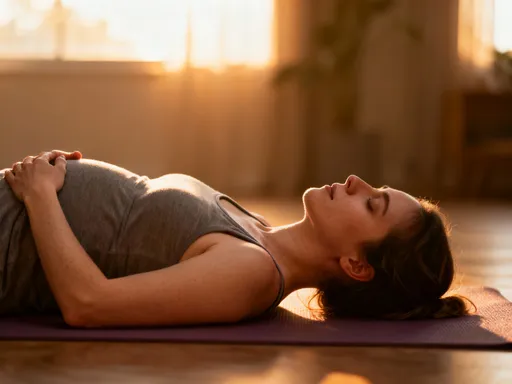
Another common issue is rib flare, where the lower ribs protrude forward due to poor alignment of the ribcage over the pelvis. This often occurs when someone overuses the upper abs while neglecting the deeper core muscles. A simple self-check involves lying on your back with knees bent and observing whether the lower ribs lift off the floor. If they do, it may indicate a need for better core control. Exercises like dead bugs and pelvic tilts can help retrain the core to maintain a neutral spine and prevent excessive arching in the lower back.
Building true core stability also requires coordination. The core muscles must work in harmony with the rest of the body during movement. For example, when reaching for an object or lifting a grocery bag, the core should engage automatically to protect the spine. If this doesn’t happen, the lower back may bear the brunt of the load, increasing injury risk. Functional exercises that mimic daily movements—such as bird-dogs, planks with limb lifts, or standing cable presses—help train this coordination in a safe, controlled way.
It’s important to note that core training doesn’t require equipment or long workout sessions. Even five minutes a day of focused breathing and stabilization exercises can yield noticeable improvements over time. The goal is not to achieve a visible six-pack but to build a resilient, responsive core that supports better posture, reduces pain, and enhances overall movement quality.
Upper Body Reset: Fixing the Tech Neck Trap
In today’s digital world, “tech neck” has become a common term for the forward head posture caused by prolonged use of phones, tablets, and computers. This position places significant stress on the cervical spine and surrounding muscles. As the head shifts forward, the deep neck flexors—small but crucial muscles in the front of the neck—become weak and underactive. Meanwhile, the upper trapezius and suboccipital muscles at the base of the skull become overworked and tight, leading to tension, headaches, and reduced neck mobility.
One of the most effective ways to counteract tech neck is through chin tucks. This simple exercise strengthens the deep cervical flexors and helps realign the head over the shoulders. To perform it, sit or stand with your back straight and gently glide your head straight backward, keeping your eyes level. Imagine making a “double chin” without tilting your head up or down. Holding this position for 5–10 seconds and repeating 10–15 times daily can gradually improve neck alignment and reduce strain.
Scapular retractions are another essential movement for upper body correction. Rounded shoulders often stem from weak scapular stabilizers, particularly the rhomboids and lower trapezius. Retraction exercises—such as squeezing the shoulder blades together while seated or using resistance bands—help activate these underused muscles. Over time, this improves shoulder positioning and reduces the tendency to hunch forward. Incorporating these movements into daily routines, such as during work breaks or while watching TV, makes them more sustainable.
Resistance band exercises can further enhance upper back strength. Rows, face pulls, and external rotations with light resistance help balance the muscles around the shoulder girdle. These movements not only improve posture but also reduce the risk of shoulder injuries. For those new to resistance training, starting with light bands and focusing on form ensures safety and effectiveness.
Equally important is integrating micro-corrective habits into daily life. Adjusting screen height so that the top of the monitor is at or slightly below eye level can prevent forward head posture. Taking short breaks every 30 minutes to stretch the chest and reset posture helps interrupt prolonged static positions. Even simple actions—like holding the phone at eye level instead of looking down—can make a meaningful difference over time. The goal is not to eliminate screen use but to use technology in a way that supports, rather than undermines, physical health.
Lower Body Alignment: From Feet to Hips, Building a Solid Foundation
Posture begins at the ground. The position and function of the feet directly influence alignment all the way up to the spine. Flat feet, overpronation, or limited ankle mobility can cause a chain reaction—altering knee tracking, pelvic tilt, and lower back posture. For example, when the arches collapse, the knees often roll inward, which can pull the pelvis out of alignment and increase stress on the lumbar spine. Addressing these foundational issues is essential for achieving lasting postural improvement.
Strengthening the glutes is a cornerstone of lower body correction. Weak gluteal muscles contribute to anterior pelvic tilt and poor hip stability. Exercises like glute bridges, clamshells, and lateral band walks activate the gluteus maximus and medius, helping to stabilize the pelvis and improve hip extension. These movements may feel subtle at first, but with consistent practice, they lead to better alignment and reduced lower back strain.
Single-leg balance drills are another powerful tool. Poor balance often reflects weak proprioception—the body’s ability to sense its position in space. By standing on one leg while brushing teeth or waiting in line, individuals can improve ankle stability and neuromuscular control. Progressing to more challenging variations, such as closing the eyes or standing on an uneven surface, further enhances these skills.
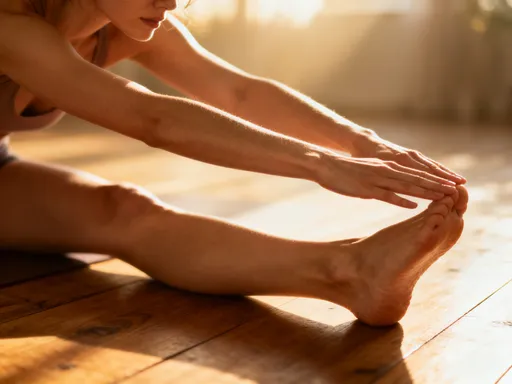
Hip mobility is equally important. Tight hip flexors, often caused by prolonged sitting, pull the pelvis forward and exaggerate the lower back curve. Stretching the hip flexors—using a lunge stretch or kneeling hip flexor stretch—helps restore balance. Pairing this with activation of the glutes ensures that the body doesn’t compensate by overusing the lower back muscles.
Footwear choices also play a role. Shoes with excessive cushioning or elevated heels can alter natural foot mechanics, encouraging poor alignment. Opting for supportive, low-heeled shoes with room for toe splay promotes healthier foot function. For some, custom orthotics or over-the-counter arch supports may be beneficial, especially if flat feet contribute to pain or fatigue.
By addressing the lower body holistically—focusing on strength, mobility, and alignment—individuals create a stable foundation for better posture. This bottom-up approach ensures that improvements are not just superficial but structurally sound.
Daily Movement Habits That Make a Difference
Exercise is essential, but daily habits shape posture more than any single workout. How you sit, stand, walk, and even sleep influences your alignment over time. Creating an ergonomic workspace is one of the most impactful changes. Adjusting chair height so feet rest flat on the floor, using a lumbar roll to support the lower back, and positioning the keyboard at elbow height all promote better posture during long work sessions.
Walking form also matters. Many people walk with their head forward, shoulders rounded, or feet turned outward. Practicing mindful walking—standing tall, engaging the core, and allowing arms to swing naturally—can reinforce good posture habits. Even simple cues, like imagining a string pulling the crown of the head upward, can improve alignment during daily movement.
Frequent movement breaks are crucial. Sitting for extended periods slows circulation, stiffens joints, and encourages slouching. Setting a timer to stand, stretch, or walk for two minutes every half hour interrupts these patterns. Wall angels—standing with back against a wall and slowly raising and lowering the arms—can be done during breaks to reinforce shoulder and spinal alignment.
Other practical habits include using a phone reminder to check posture, practicing deep breathing while waiting in line, or doing a quick posture check before standing up. These micro-habits accumulate over time, making better posture a natural part of daily life. The focus should be on consistency, not perfection. Small, sustainable changes are more effective than dramatic overhauls that are hard to maintain.
Tracking Progress and Staying Consistent Without Burnout
Improving posture is a gradual process, and progress is often subtle. Rather than expecting dramatic changes overnight, it’s helpful to notice small wins—like easier deep breathing, reduced shoulder tension, or standing taller without effort. These signs indicate that the body is adapting and relearning better alignment.
Tracking can enhance motivation and awareness. Taking weekly posture photos from the front, side, and back allows for visual comparison over time. Keeping a movement journal—recording exercises, habits, and how the body feels—helps identify patterns and celebrate progress. Some find it helpful to use apps that prompt posture checks or track daily movement goals.
Consistency is more important than intensity. Performing a few key exercises daily for five to ten minutes is more effective than hour-long sessions once a week. The goal is to build a routine that fits into real life, not one that feels like a burden. Pairing posture work with existing habits—like doing chin tucks during a morning coffee or glute bridges while watching the evening news—increases adherence.
Mindset also plays a crucial role. Viewing posture improvement as an act of self-care, rather than a chore, fosters long-term commitment. It’s not about achieving a rigid, military-straight stance but about moving with ease, strength, and confidence. Celebrating small improvements and being patient with setbacks supports sustainable change.
Conclusion: Posture as a Lifelong Practice, Not a Quick Fix
True postural improvement is not a destination but a continuous journey of awareness and adjustment. It’s about listening to your body, understanding the mechanics behind movement, and making intentional choices that support long-term health. By addressing muscle imbalances, improving core stability, and integrating mindful habits into daily life, anyone can stand taller, move more efficiently, and feel stronger.
This journey is not about perfection. There will be days of fatigue, stress, or distraction when old habits creep back. But with consistent effort, the body learns to return to better alignment more easily. Posture is not just how you sit or stand—it’s a reflection of how you care for yourself. When approached with patience, knowledge, and self-compassion, it becomes a sustainable practice of physical and emotional well-being. Stand tall, live strong, and move through life with greater ease and confidence.