What I Learned Avoiding Sleep Mistakes — Food Edition
Struggling with sleep? You’re not alone. I used to toss and turn every night, thinking it was stress or screens. But after digging deeper, I realized my diet was the silent saboteur. What we eat directly impacts how well we rest. From late-night snacks to morning coffee, small choices can make or break your sleep. This is what I discovered while fixing my own bedtime battles — no gimmicks, just real changes that actually work.
The Hidden Link Between Diet and Sleep
Many people assume poor sleep stems from stress, screen time, or an inconsistent schedule. While these factors matter, one crucial element often goes unnoticed: food. The connection between what we eat and how we sleep is not just anecdotal — it’s deeply rooted in biology. Certain nutrients help produce key sleep-regulating hormones like melatonin and serotonin. Melatonin, often called the “sleep hormone,” is released in response to darkness and helps signal to the body that it’s time to rest. Serotonin, a precursor to melatonin, contributes to mood stability and relaxation. When our diet lacks the building blocks for these chemicals, our ability to fall and stay asleep weakens.
Beyond hormones, the way food affects blood sugar plays a major role in sleep quality. Eating meals high in refined carbohydrates or sugar can cause blood glucose levels to spike and then crash, sometimes during the night. These fluctuations can trigger the release of stress hormones like cortisol, which disrupt deep sleep stages. Additionally, digestion itself requires energy. A heavy meal late in the evening forces the body to remain active when it should be winding down, potentially leading to discomfort, indigestion, or even acid reflux — all of which interfere with restful sleep.
Inflammation is another silent contributor. Diets high in processed foods, trans fats, and added sugars are linked to chronic low-grade inflammation, which research suggests may impair sleep regulation. On the other hand, anti-inflammatory foods like fruits, vegetables, whole grains, and omega-3-rich fish support better sleep outcomes. Yet many people overlook this connection, believing that as long as they don’t eat much at night, their diet isn’t affecting their sleep. In reality, it’s not just how much you eat — it’s what you eat and when. The composition of meals throughout the day sets the stage for nighttime rest, making dietary choices a foundational pillar of good sleep hygiene.
The Top Dietary Sleep Killers (And Why We Keep Falling for Them)
Some of the most common sleep disruptors are hiding in plain sight. Caffeine is the obvious culprit, but its reach extends far beyond the morning coffee cup. It can be found in tea, chocolate, certain sodas, and even some medications. What many don’t realize is that caffeine has a half-life of about five to six hours, meaning that even a mid-afternoon latte can leave significant amounts in your system at bedtime. For sensitive individuals, this can delay sleep onset, reduce total sleep time, and diminish sleep quality by suppressing deep, restorative stages.
Equally insidious are hidden sugars and processed carbohydrates. Foods like white bread, pastries, flavored yogurts, and sugary cereals cause rapid spikes in blood sugar. The subsequent crash can wake you up in the middle of the night, often accompanied by shakiness or anxiety. These foods also lack the fiber and protein needed to sustain energy, leading to cravings later in the day — and often at night. Late-night snacking, especially on sweet or starchy foods, may feel comforting in the moment, but it tricks the body into staying alert when it should be preparing for rest.
Even meals perceived as healthy can sabotage sleep. Consider a dinner of grilled chicken with a spicy sauce and a glass of red wine — seemingly balanced, but potentially problematic. Spicy foods can increase body temperature and trigger heartburn, both of which interfere with falling asleep. Alcohol, while initially sedating, disrupts the second half of the sleep cycle. It suppresses REM sleep, the stage essential for emotional regulation and memory consolidation, leading to groggy, unrefreshed mornings. People often reach for these foods because they’re convenient, satisfying, or socially normalized, not realizing how profoundly they affect sleep architecture. Recognizing these hidden sleep killers is the first step toward making better choices.
The Timing Trap: When You Eat Matters as Much as What
The body operates on a 24-hour internal clock known as the circadian rhythm, which influences everything from hormone release to digestion. This biological timer expects food intake during daylight hours and rest during the night. Eating too close to bedtime sends conflicting signals to the body. Digestion slows in the evening, so a large meal within two to three hours of sleep can lead to discomfort, bloating, or acid reflux. The physical effort of breaking down food keeps the body in a state of activity, making it harder to transition into deep, restful sleep.
Conversely, skipping meals during the day can be just as harmful. When you undereat during waking hours, your body may compensate by triggering intense hunger at night. This often leads to overeating in the evening, particularly of high-calorie, low-nutrient foods. Not only does this strain the digestive system, but it also destabilizes blood sugar levels, increasing the likelihood of nocturnal awakenings. Irregular eating patterns confuse the circadian system, weakening its ability to regulate sleep-wake cycles effectively.
Research supports the benefits of time-restricted eating, a pattern where food intake is limited to a consistent window each day — typically 8 to 12 hours. This approach aligns eating with natural energy rhythms and allows the digestive system to rest overnight. For example, finishing dinner by 7 p.m. and not eating again until breakfast the next morning gives the body ample time to shift from digestion to repair. This doesn’t mean strict fasting is required; rather, it emphasizes consistency and mindful timing. By spacing meals appropriately and avoiding late-night grazing, you support both metabolic health and sleep quality. The goal is not deprivation, but rhythm — helping your body anticipate when to fuel and when to recover.
The Overlooked Nutrients That Support Deep Sleep
While avoiding sleep-disrupting foods is important, actively including sleep-supportive nutrients is equally crucial. Several vitamins and minerals play direct roles in the production and regulation of sleep-related neurotransmitters. Magnesium, for instance, is involved in over 300 biochemical reactions in the body, including those that calm the nervous system. It helps regulate GABA, a neurotransmitter that promotes relaxation and prepares the brain for sleep. Low magnesium levels have been linked to insomnia and restless leg syndrome. Good dietary sources include leafy greens, nuts, seeds, legumes, and whole grains.
Tryptophan, an essential amino acid, is another key player. It serves as a precursor to serotonin and, ultimately, melatonin. While turkey is famously associated with drowsiness due to its tryptophan content, the effect is enhanced when consumed with carbohydrates, which help tryptophan cross the blood-brain barrier. Other rich sources include chicken, eggs, cheese, tofu, and pumpkin seeds. Pairing these with complex carbs like sweet potatoes or brown rice can naturally support melatonin production.
Vitamin B6 is necessary for converting tryptophan into serotonin, making it a vital co-factor in the sleep pathway. Foods like bananas, chickpeas, potatoes, and fortified cereals provide usable amounts. Zinc, found in shellfish, meat, and pumpkin seeds, also contributes to sleep regulation and immune function. While supplements are widely available, whole foods offer these nutrients in balanced ratios, along with fiber, antioxidants, and other compounds that enhance absorption and reduce inflammation. Relying on a varied, nutrient-dense diet is more effective and sustainable than depending on pills. A dinner of baked salmon, quinoa, and steamed broccoli, for example, delivers a powerful combination of tryptophan, B6, magnesium, and zinc — all working together to support restful sleep.
Hydration: The Double-Edged Sword of Nighttime Water
Proper hydration is essential for overall health and directly impacts sleep quality. Dehydration can cause muscle cramps, dry mouth, and headaches — all of which can interrupt sleep. Water also supports brain function, helping maintain the balance of neurotransmitters involved in sleep regulation. However, the timing of fluid intake is critical. Drinking large amounts of water in the hour or two before bed increases the likelihood of nocturia, or nighttime urination, which fragments sleep and reduces sleep efficiency.
The key is consistent hydration throughout the day. Starting with a glass of water in the morning helps rehydrate after hours without fluids. Sipping water regularly during waking hours ensures the body stays balanced without overwhelming the kidneys at night. Herbal teas like chamomile or passionflower can contribute to fluid intake while offering mild calming properties. Limiting diuretics such as coffee, black tea, and alcohol, especially in the afternoon and evening, also helps maintain hydration balance.
A smart strategy is to gradually reduce fluid intake in the late afternoon. For example, aim to finish drinking water by 7 or 8 p.m., depending on bedtime. If dry mouth is a concern, using a humidifier or keeping a small sip of water by the bedside can help without encouraging frequent trips to the bathroom. Monitoring urine color — aiming for pale yellow — provides a simple way to assess hydration status. By managing fluid intake wisely, you support both physical comfort and uninterrupted sleep, allowing the body to stay hydrated without sacrificing rest.
Building a Sleep-Smart Eating Routine (Step by Step)
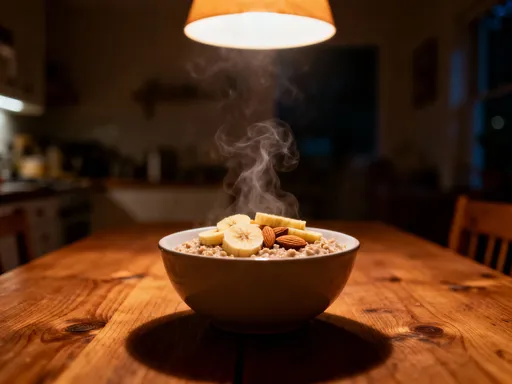
Creating a sustainable eating pattern that supports sleep doesn’t require drastic changes. It starts with aligning meals with your body’s natural energy rhythms. Begin the day with a balanced breakfast that includes protein, healthy fats, and complex carbohydrates. This stabilizes blood sugar and prevents mid-morning crashes that lead to poor food choices later. A meal like oatmeal with nuts and berries, or scrambled eggs with whole-grain toast and avocado, provides lasting energy and supports mood regulation.
Lunch should be the largest meal of the day for many, supplying fuel for afternoon productivity. Focus on lean protein, fiber-rich vegetables, and whole grains. A grilled chicken salad with beans, quinoa, and olive oil dressing offers a nutrient-dense option that keeps you full and focused. Snacks, if needed, should combine protein and fiber — such as apple slices with almond butter or Greek yogurt with chia seeds — to prevent blood sugar spikes.
Dinner should be lighter and eaten at least two to three hours before bed. A sample sleep-friendly dinner might include baked salmon, roasted sweet potatoes, and sautéed spinach — rich in tryptophan, magnesium, and complex carbs. Avoid heavy sauces, excessive spices, or large portions. If hunger strikes later, a small, low-sugar snack like a banana with a tablespoon of peanut butter or a handful of walnuts can satisfy without disrupting sleep. Planning meals ahead and preparing components in advance reduces reliance on convenience foods that often contain hidden sleep disruptors. Consistency is more important than perfection — aim for progress, not flawlessness.
Beyond Food: Pairing Diet Changes with Lifestyle Tweaks
Diet is a powerful tool, but it works best when combined with other healthy habits. Exposure to natural light during the day helps regulate the circadian rhythm, reinforcing the body’s internal clock. Spending time outside in the morning or early afternoon signals to the brain that it’s time to be alert, which in turn strengthens the signal for sleep at night. Similarly, regular physical activity — even a daily 30-minute walk — improves sleep quality by reducing stress and promoting deeper rest. However, intense exercise close to bedtime may be stimulating for some, so it’s best scheduled earlier in the day.
Wind-down routines also amplify the benefits of a sleep-supportive diet. Creating a calming evening environment — dimming lights, reducing screen time, practicing gentle stretching or deep breathing — helps the body transition from activity to rest. These rituals signal safety and relaxation, making it easier to fall asleep once in bed. When diet, movement, and routine work together, they create a reinforcing cycle of better health and improved sleep.
It’s important to remember that small, consistent changes are more effective than short-term extremes. Perfection is not the goal — sustainability is. If you occasionally drink wine with dinner or eat late after a busy day, it’s okay. What matters is the overall pattern. However, if sleep problems persist despite making these adjustments, it’s essential to consult a healthcare provider. Chronic insomnia or sleep apnea may require medical evaluation and treatment. Nutrition plays a vital role, but it’s one part of a larger picture. By approaching sleep as a holistic practice — one that includes food, light, movement, and mindset — you create the conditions for truly restorative rest.
Improving sleep through diet isn’t about strict rules or magic meals. It’s about awareness, balance, and making choices that support your body’s natural rhythm. By avoiding common food-related pitfalls and embracing nourishing habits, better rest becomes not just possible — but sustainable. Your nightly recovery starts long before you hit the pillow.