What True Health Feels Like: My Qi Gong Journey to Natural Balance
For years, I chased quick fixes—diets, workouts, supplements—only to feel more drained. Then I discovered Qi Gong, not as a cure, but as a way to listen to my body. It’s not about perfection; it’s about balance. Through slow movements and mindful breathing, I began to notice subtle shifts: better sleep, less tension, more energy. This isn’t magic—it’s ancient wisdom. Here’s how redefining my health standards changed everything, one breath at a time.
Redefining Health: Beyond Numbers and Symptoms
Modern health culture often reduces well-being to measurable outcomes: a number on the scale, cholesterol levels, or how many steps were taken in a day. While these metrics offer useful insights, they rarely capture the full picture of how someone truly feels. For many women between the ages of 30 and 55, health is deeply intertwined with daily energy, emotional resilience, and the ability to manage multiple roles—mother, professional, caregiver, partner—without feeling depleted. True health is not just the absence of illness; it is the presence of vitality, clarity, and inner calm.
Traditional Chinese Medicine (TCM) offers a different framework, one that has been refined over thousands of years. Rather than isolating symptoms, TCM views the body as an interconnected system where physical, emotional, and energetic health are inseparable. At the heart of this system is the concept of Qi (pronounced “chee”), the vital life force that flows through the body along pathways known as meridians. When Qi moves freely and in balance, the body functions optimally. When it is blocked, sluggish, or excessive, discomfort and illness may follow.
This perspective shifts the focus from fixing problems to nurturing balance. Instead of asking, “What’s wrong with me?” a TCM-informed approach encourages asking, “How is my energy flowing?” A woman might not have a diagnosable condition, yet still feel chronically fatigued, irritable, or disconnected from her body. These are signs that her internal system is out of harmony, even if blood tests come back normal. By expanding the definition of health to include energy, mood, and daily functioning, individuals can begin to recognize and respond to their body’s subtle signals before they escalate into more serious issues.
For women navigating hormonal shifts, family demands, and career pressures, this holistic lens is especially valuable. It validates experiences that may not show up on a lab report but are very real in daily life. True wellness, then, is not about achieving a perfect body or never feeling tired—it is about cultivating a resilient, responsive relationship with oneself. Qi Gong, as a practice rooted in TCM, provides a gentle yet powerful way to restore that balance, one mindful movement at a time.
The Quiet Power of Qi Gong: More Than Just Movement
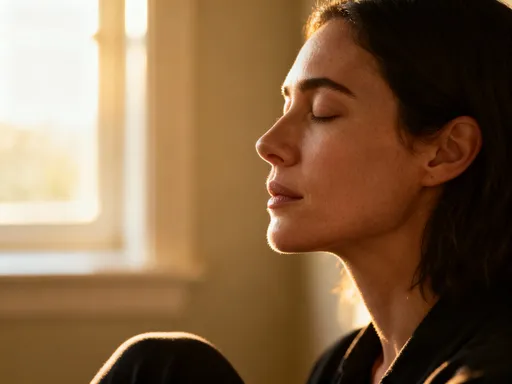
At first glance, Qi Gong may appear to be little more than slow, graceful motions—similar to tai chi or gentle stretching. But beneath the surface, it is a sophisticated system designed to cultivate, circulate, and balance Qi. The word “Qi Gong” itself means “energy work” or “cultivating life force,” and the practice integrates three essential elements: regulated breathing, intentional movement, and focused awareness. Together, these components create a moving meditation that calms the nervous system, improves circulation, and enhances mental clarity.
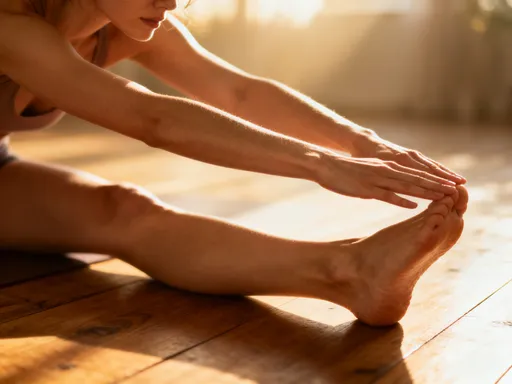
Unlike high-intensity exercise, which stresses the body to build strength or endurance, Qi Gong works by restoring equilibrium. It does not require flexibility, strength, or prior experience. A woman can practice it in her living room, wearing comfortable clothes, with no equipment needed. The movements are simple—lifting the arms, shifting weight from one foot to the other, turning the torso gently—but they are performed with deliberate attention. Each motion is coordinated with the breath, creating a rhythm that synchronizes body and mind.
From a TCM perspective, these movements help open the meridians, allowing Qi to flow more freely. Specific exercises are believed to support organ systems—for example, gentle rocking motions may stimulate the kidneys, while expansive arm movements can benefit the lungs and heart. Over time, this enhanced energy flow can lead to improved digestion, better sleep, and a greater sense of emotional stability.
One of the most powerful aspects of Qi Gong is its accessibility. Because it is low-impact and adaptable, it is suitable for women at all stages of life, including those managing chronic conditions, recovering from illness, or experiencing joint pain. It does not demand performance or progress; instead, it invites presence. The goal is not to do the movements perfectly, but to feel them deeply. In a world that often equates health with effort and achievement, Qi Gong offers a different message: healing can be soft, quiet, and deeply effective.
How I Found My Rhythm: A Personal Shift
When I first tried Qi Gong, I was skeptical. I had tried yoga, Pilates, and countless workout videos, but nothing had given me lasting relief from the constant low-level fatigue I carried. I was drawn to Qi Gong only after a friend described it as “movement you do with your attention, not your muscles.” That phrase stuck with me. I downloaded a beginner video and stood in my living room, feeling slightly self-conscious as I lifted my arms in slow motion.
The first few weeks were frustrating. I found it hard to focus. My mind wandered to grocery lists, work emails, and bedtime routines. I didn’t feel any dramatic changes. Some days, I skipped the practice altogether, telling myself I was too busy. But I kept returning, not because I expected miracles, but because the few minutes of stillness felt like a small act of kindness toward myself.
Then, after about three weeks, I noticed something. I woke up without hitting the snooze button. Not every day, but more often than before. My morning coffee still tasted good, but I didn’t feel the same urgency to drink it quickly, as if racing against time. I began to notice tension in my shoulders during the day and would pause to take a few deep breaths—something I had learned from a Qi Gong breathing exercise. These weren’t huge transformations, but they were real.
Over the next few months, the changes deepened. My digestion improved. I stopped waking up at 3 a.m. with a racing mind. My moods became more stable; I was less reactive to small stressors, like spilled milk or a delayed appointment. I didn’t become a different person, but I felt more like myself—calmer, clearer, and more grounded. The practice didn’t fix everything, but it gave me a tool to return to balance when life pulled me off center.
What surprised me most was how little time it took. Ten minutes a day—sometimes less—was enough to make a difference. I didn’t need to change my diet, buy supplements, or overhaul my schedule. I simply needed to show up, breathe, and move with intention. That consistency, not intensity, was the key. My journey wasn’t about perfection; it was about presence. And in that presence, I found a new definition of health—one that wasn’t measured by numbers, but by how I felt from the inside out.
The Invisible Signs of Real Health
Real health often announces itself in quiet ways. It doesn’t come with a trophy or a social media post. It’s not a dramatic weight loss or a marathon finish line. Instead, it shows up in the moments between tasks: a deep breath after hanging up the phone, a full night’s sleep without waking, the ability to pause before reacting in frustration. These subtle signs are easy to overlook in a culture that celebrates extremes, but they are powerful indicators of true well-being.
One of the first signs I noticed was sustained energy. Not a burst of adrenaline, but a steady current that carried me through the day without the need for multiple cups of coffee or sugar crashes. I could finish a long day of work and still have the mental clarity to help my child with homework. I wasn’t exhausted by 7 p.m. This kind of endurance isn’t always visible, but it changes everything.
Another sign was emotional resilience. I didn’t stop feeling stress—life still brought its challenges—but I noticed I was better able to move through it without getting stuck. A disagreement with a family member no longer spiraled into days of rumination. I could acknowledge my feelings, take a few breaths, and return to calm more quickly. In TCM, this is seen as a sign of balanced Yin and Yang—the cooling, calming energy in harmony with the active, warming energy.
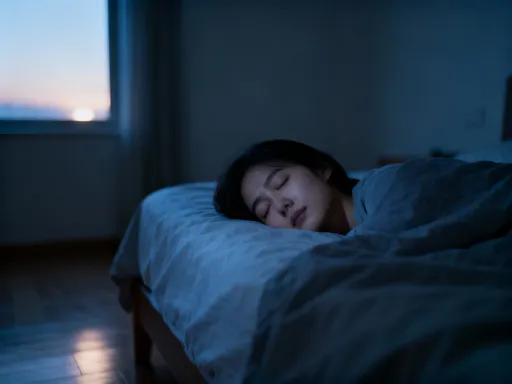
Sleep quality also improved in ways that weren’t dramatic but deeply meaningful. I fell asleep more easily, stayed asleep through the night, and woke up feeling refreshed rather than groggy. My dreams became less chaotic, and I often woke with a sense of peace. In TCM, restful sleep is a sign that the Shen—the spirit or mind—is settled, and the heart Qi is flowing smoothly.
These invisible signs are not just personal observations; they reflect physiological changes. Balanced Qi supports the nervous system, helping the body shift more easily between activity and rest. When the parasympathetic nervous system is activated—often through slow breathing and mindful movement—the body can repair, digest, and regenerate more effectively. These internal shifts may not show up on a scale or a fitness tracker, but they are foundational to long-term health, especially for women managing the complex demands of midlife.
Building a Sustainable Practice: Simple Steps That Stick
One of the biggest obstacles to any wellness practice is consistency. Many women want to feel better, but between work, family, and household responsibilities, finding time for self-care can feel impossible. The good news is that Qi Gong doesn’t require hours of commitment. In fact, short, regular sessions are often more effective than occasional long ones. The key is to make the practice so simple and integrated that it becomes a natural part of the day.
A great place to start is with a five-minute morning routine. Upon waking, sit on the edge of the bed or stand by a window. Begin with three deep breaths, inhaling through the nose and exhaling slowly through the mouth. Then, gently raise the arms in front of the body and lift them overhead, as if gathering energy from the earth and sky. Lower them slowly, imagining tension flowing down and out through the feet. Repeat this sequence three to five times. This simple ritual signals to the body that the day has begun with intention, not urgency.
Another effective strategy is to pair Qi Gong with existing habits. For example, practice a few standing breaths while waiting for the kettle to boil or the microwave to beep. Stand with feet shoulder-width apart, knees slightly bent, and hands resting lightly on the lower abdomen. Breathe deeply into the belly, feeling the hands rise and fall. This not only builds the practice into daily life but also turns mundane moments into opportunities for presence.
Evening wind-down sequences can support better sleep. Sit in a comfortable chair or lie on the floor. Place one hand on the belly and one on the chest. Breathe so that the belly rises first, then the chest. Continue for five to ten minutes, allowing the breath to slow with each cycle. This activates the relaxation response and prepares the body for rest.
Creating a dedicated space at home—a corner with a mat, a cushion, or even just a clear floor area—can also reinforce the habit. It doesn’t need to be large or elaborate. The mere act of walking into that space signals to the mind that it’s time to slow down. Over time, these small, consistent actions build a foundation of well-being that doesn’t depend on motivation, but on routine.
Science Meets Tradition: What Research Says
While Qi Gong has been practiced for centuries within traditional healing systems, modern science is beginning to validate its benefits. A growing body of research suggests that regular practice can have measurable effects on both physical and mental health. These findings do not replace the wisdom of tradition, but they offer reassurance that the subtle changes women feel through Qi Gong are supported by physiological evidence.
Studies have shown that Qi Gong can help regulate blood pressure. A review published in the Journal of Human Hypertension found that participants who practiced Qi Gong regularly experienced significant reductions in both systolic and diastolic blood pressure. This is likely due to the practice’s ability to reduce sympathetic nervous system activity—the “fight or flight” response—and enhance parasympathetic tone, which promotes relaxation and digestion.
Research also indicates that Qi Gong can lower levels of cortisol, the primary stress hormone. Chronic elevation of cortisol is linked to a range of health issues, including weight gain, sleep disturbances, and weakened immunity. By promoting deep breathing and mindful movement, Qi Gong helps the body return to a state of balance, reducing the cumulative effects of daily stress.
Immune function may also benefit. A study from the University of Florida found that older adults who practiced Qi Gong for eight weeks showed increased activity in immune cells associated with viral defense. While more research is needed, these findings suggest that Qi Gong may play a role in supporting the body’s natural defenses.
It is important to note that Qi Gong is not a replacement for medical treatment. Women with health conditions should continue to follow the guidance of their healthcare providers. However, as a complementary practice, Qi Gong offers a safe, low-cost way to support overall well-being. It requires no special equipment, has no known side effects, and can be adapted to individual needs. For women seeking a natural, sustainable approach to health, the combination of ancient wisdom and modern evidence makes a compelling case.
Living the Balance: Integrating Qi Gong Into Daily Life
True health is not something we achieve and then forget. It is a continuous process of listening, adjusting, and showing up for ourselves. Qi Gong, at its core, is not just a set of exercises—it is a philosophy of living with awareness and care. The principles of slow movement, mindful breathing, and gentle attention can extend far beyond the practice session and into everyday activities.
Simple changes can make a difference. Standing with better posture—spine aligned, shoulders relaxed—can improve Qi flow and reduce tension. Taking three deep breaths before answering a phone call or starting the car can create a moment of calm in a busy day. Even washing dishes can become a practice if done with full attention to the warmth of the water, the sound of the bubbles, the movement of the hands.
The goal is not to add more to an already full schedule, but to infuse existing moments with greater presence. Health, in this view, is not a destination reached through effort, but a way of being cultivated through small, consistent choices. It is the decision to pause when tired, to rest without guilt, to move with kindness rather than force.
For women in midlife, this approach can be especially empowering. It honors the body’s natural rhythms rather than fighting against them. It values resilience over perfection, balance over achievement. And it recognizes that true vitality comes not from pushing harder, but from listening deeply and responding with care.
In the end, my Qi Gong journey has not been about becoming someone new. It has been about returning to myself—slower, quieter, and more present. It has taught me that health is not something to chase, but something to cultivate, one breath, one movement, one mindful moment at a time.