Seattle’s Architectural Pulse: A Walker’s Discovery Through Glass, Steel, and Soul
You know that feeling when a city just speaks to you? Seattle did exactly that—not through noise, but through its buildings. From sleek glass towers reflecting Puget Sound to brick warehouses reborn as vibrant hubs, I was hooked. This isn’t just architecture; it’s storytelling in steel and light. What makes Seattle’s skyline feel so alive? Let me take you on a stroll through the structures that define the city’s rhythm and surprise around every corner.
First Impressions: The Skyline That Defies Expectations
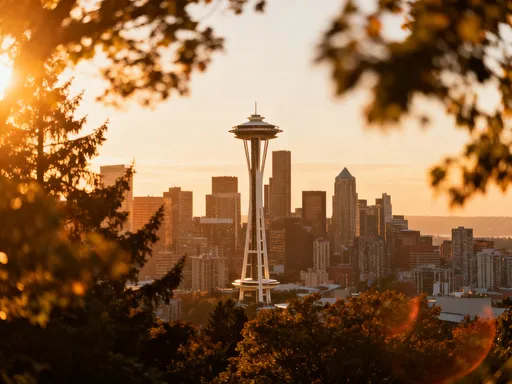
Standing at Kerry Park on a crisp morning, with the Olympic Mountains rising faintly in the distance and the city unfolding below like a living diorama, one understands why Seattle’s skyline is often called poetic. The view is iconic for a reason: it captures the essence of a city built between water and forest, where vertical ambition meets natural humility. Unlike other major American cities whose skylines compete for dominance, Seattle’s feels balanced—almost conversational. The Space Needle reaches skyward with mid-century flair, while the Columbia Center, the tallest building in the Pacific Northwest, rises with quiet authority, its black granite façade catching the ever-changing Pacific Northwest light.
What’s remarkable is how these contrasting elements coexist without conflict. The Space Needle, built for the 1962 World’s Fair, embodies retro-futurism—a relic of atomic-age optimism that somehow still feels forward-looking. Beside it, modern towers like 1201 Third Avenue and Rainier Square Tower contribute sleek glass profiles, yet none overpower the skyline’s human scale. This harmony is no accident. Strict height restrictions, zoning laws, and a deep cultural respect for the natural environment have shaped a cityscape that enhances rather than eclipses its surroundings. The skyline doesn’t shout; it murmurs, inviting closer inspection.
That balance between innovation and restraint sets the tone for deeper exploration. It signals that Seattle values not just progress, but context. Buildings here don’t exist in isolation—they respond to the water, the hills, the weather, and the history beneath their foundations. This sensitivity becomes even more evident when walking the streets, where textures, materials, and unexpected details reward the attentive observer. The city’s architectural pulse is steady, thoughtful, and deeply rooted in place.
The Space Needle Revisited: More Than a 1962 Icon
For decades, the Space Needle has stood as Seattle’s most recognizable symbol—a slender, flying-saucer-topped tower that defied engineering norms when it opened. Yet, rather than resting on its historical laurels, the structure has undergone a remarkable transformation. The 2018 renovation, known as the “Century Project,” didn’t just modernize systems; it reimagined the visitor experience while honoring the original design. The most dramatic addition is The Loupe, the world’s first and only rotating glass floor, suspended 500 feet above the ground. Stepping onto it feels like walking on air, with downtown, Elliott Bay, and Mount Rainier unfolding in every direction.
Beyond the thrill, the upgrades reflect a deeper architectural philosophy: preservation through innovation. The original flying saucer was lifted from the tower to allow for structural reinforcement and the installation of larger windows. These floor-to-ceiling glass panels eliminate visual barriers, dissolving the boundary between inside and outside. The result is a seamless immersion in the city’s geography. The renovation also improved accessibility, sustainability, and seismic resilience—critical updates for a structure built before modern safety standards.
Architecturally, the Space Needle remains a masterpiece of mid-century modernism. Its tripod base, inspired by a 1950s ballpoint pen, gives it stability and grace. The rotating restaurant—once a marvel of its time—continues to offer a slow, panoramic journey through the region’s landscape. What makes the Needle enduring is not just its form, but its function as a symbol of hope and curiosity. In 1962, it represented a future filled with promise. Today, it stands as a bridge between that optimistic past and a more sustainable, inclusive vision of what cities can be.
Pioneer Square: Where Brick Tells Stories
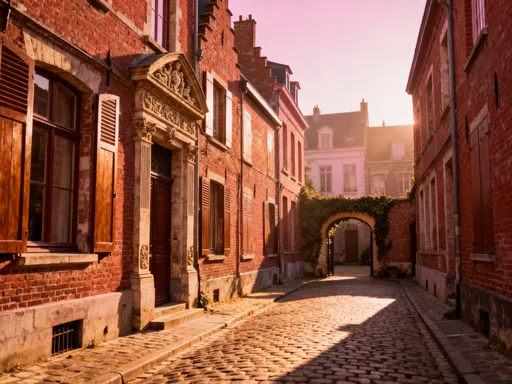
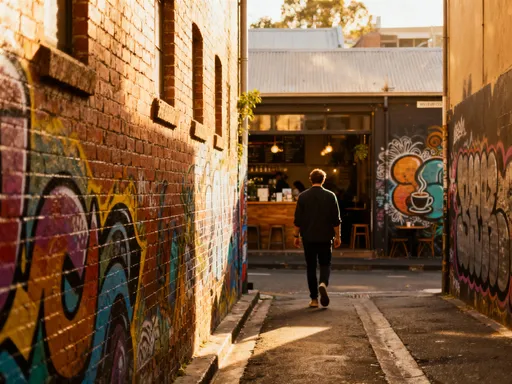
Just south of downtown lies Pioneer Square, Seattle’s oldest neighborhood and the birthplace of the modern city. Walk its cobblestone streets, and you step into a living archive of Romanesque Revival architecture—massive stone arches, turrets, and red brick facades that survived the Great Fire of 1889. These buildings were not just reconstructed; they were rebuilt with ambition, signaling a city determined to rise from ashes. The neighborhood’s architectural language is one of solidity and craftsmanship, with intricate carvings, ornate cornices, and ironwork that speak to a time when permanence was the goal.
At the heart of Pioneer Square stands the Smith Tower, completed in 1914 as the tallest building west of the Mississippi. Once a symbol of industrial might, it was eclipsed by later skyscrapers but has reclaimed attention as a historic treasure. Riding the original brass-caged elevator to the 35th-floor observatory offers more than views—it delivers a sense of time travel. The space retains its early 20th-century elegance, with dark wood paneling, marble floors, and a Chinese-inspired penthouse that once hosted elite gatherings. Though no longer the tallest, the Smith Tower remains a testament to an era when architecture was a declaration of progress.
Perhaps the most compelling way to experience Pioneer Square’s layered history is through the underground walking tours. After the Great Fire, the city raised street levels to improve drainage, leaving the original ground floors buried beneath new sidewalks. Today, guided tours lead visitors through these sealed-off spaces—old storefronts, saloons, and sidewalks frozen in time. The experience is haunting in the gentlest sense, a reminder that cities are palimpsests, constantly rewriting themselves while preserving fragments of the past. These preserved facades, dimly lit and rich with dust and echoes, tell stories of resilience, reinvention, and the quiet endurance of place.
Modern Marvels: The Rise of Sustainable Design
If Pioneer Square speaks to Seattle’s past, the Bullitt Center in the Capitol Hill neighborhood points firmly toward its future. Dubbed the “greenest commercial building in the world,” this six-story structure on East Madison Street is a working model of regenerative design. Certified under the rigorous Living Building Challenge, it produces more energy than it consumes, captures and treats all its water on-site, and avoids toxic materials in construction. From the outside, it’s unassuming—a timber-framed, glass-and-slate building with deep overhangs and a solar canopy stretching westward like a sun-seeking wing.
Inside, every feature serves an ecological purpose. The rooftop solar array generates 230,000 kilowatt-hours annually, enough to power the entire building and feed surplus back to the grid. Rainwater is collected in a 56,000-gallon cistern beneath the building, filtered, and used for drinking, irrigation, and even flushing composting toilets—a system that eliminates sewer dependence. Natural ventilation, daylight optimization, and non-toxic finishes create a workspace that is not only sustainable but deeply healthy for occupants. Even the wood is FSC-certified, and the concrete mix minimizes carbon emissions.
The Bullitt Center is more than a building; it’s a manifesto. It challenges the assumption that high performance must come at environmental cost. Its existence proves that net-zero, or even net-positive, development is achievable in an urban setting. Moreover, it has inspired a wave of eco-conscious design across the Pacific Northwest. From passive house apartments to energy-positive schools, Seattle is becoming a laboratory for sustainable urbanism. The city’s commitment to green building codes, renewable energy, and climate resilience is no longer aspirational—it’s operational, and the Bullitt Center stands as its most eloquent ambassador.
Amazon’s Impact: The Spheres That Changed a Neighborhood
No discussion of Seattle’s contemporary architecture is complete without addressing the transformation of South Lake Union. Once a quiet industrial zone, it has become a high-tech hub, largely due to Amazon’s headquarters expansion. The most visually striking addition is the Amazon Spheres—three interconnected glass domes housing over 40,000 plants from nearly 50 countries. More than a corporate perk, they represent a bold experiment in biophilic design, where nature is not an afterthought but the core of the workspace. Walking through the Spheres feels like entering a living conservatory, with tree canopies overhead, moss-covered walls, and a quiet hum of innovation.
The surrounding buildings, including the Doppler and Day 1 towers, reflect a new architectural language: human-centered, transparent, and integrated with public space. Elevated walkways connect structures, while ground floors host cafes, retail, and public art. Amazon has opened parts of the Spheres to visitors through a reservation system, allowing locals and tourists to experience this fusion of technology and nature. Benches, water features, and native landscaping encourage lingering, turning what could have been a closed corporate campus into a semi-public destination.
Still, the transformation has sparked debate. Some residents welcome the investment, jobs, and improved infrastructure. Others express concern about rising housing costs, traffic, and the privatization of urban space. The architectural success of the Spheres is undeniable, but their social impact remains complex. They symbolize both the possibilities and tensions of corporate-led urban renewal. Yet, in design terms, they’ve raised the bar for how workplaces can nurture well-being, creativity, and environmental stewardship—all within a city that values balance between growth and livability.
Waterfront Reimagined: From Freeway to Public Promenade
For decades, Seattle’s waterfront was defined by the Alaskan Way Viaduct, an elevated highway that blocked views, generated noise, and separated the city from its shoreline. Its removal, completed in 2019 after years of planning and a massive tunneling project, marked a turning point in urban design. What emerged is a revitalized waterfront park—a linear green space that reconnects downtown to Elliott Bay. The new promenade features wide walkways, native plantings, public art installations, and flexible gathering areas that invite play, rest, and celebration.
The design philosophy is clear: prioritize people over vehicles. The waterfront now breathes. Open sightlines allow unobstructed views of ferries, cargo ships, and the Olympic Mountains. Seating is abundant, with logs, boulders, and custom benches arranged to encourage conversation and contemplation. The historic Pier 57 has been restored and expanded, featuring a rooftop park and community space. At night, subtle lighting enhances safety without overwhelming the natural ambiance. The entire stretch feels like a gift—a reclaimed public realm where architecture serves leisure, connection, and beauty.
This transformation reflects a broader shift in urban priorities. Cities are beginning to recognize that infrastructure should not just move people through space, but allow them to inhabit it meaningfully. Seattle’s waterfront is no longer a barrier; it’s a destination. Families picnic, cyclists glide by, and tourists pause to photograph the skyline. The architecture of accessibility—ramps, elevators, tactile paving—ensures inclusivity. By removing a relic of car-centric planning, Seattle has embraced a more humane, resilient vision of city life, where the edge of the water is not an afterthought, but a centerpiece.
Neighborhood Gems: Unexpected Designs Beyond Downtown
While downtown and South Lake Union capture much attention, Seattle’s architectural soul is also found in its diverse neighborhoods. In Capitol Hill, angular facades, bold colors, and mixed-use buildings reflect a community that values creativity and individuality. The Seattle Central Library, designed by Rem Koolhaas and Joshua Ramus, stands as a landmark of deconstructivist architecture. Its diamond-shaped glass panels and steel exoskeleton create a dynamic, ever-changing play of light and shadow. Inside, the “Books Spiral” allows for uninterrupted browsing across multiple floors, a rare feat of functional innovation.
Equally compelling are the quiet acts of architectural reinvention scattered throughout the city. An old fire station in West Seattle now houses a community coffee shop, its red doors and hose tower preserved as nostalgic markers. A decommissioned school in Ballard has been transformed into artist studios and a gallery, with chalkboard walls and high ceilings that honor its past. These adaptive reuse projects do more than save buildings—they preserve community memory and reduce environmental waste. They prove that sustainability is not only about energy efficiency but also about cultural continuity.
Each neighborhood expresses its identity through design. In Ravenna, craftsman bungalows with wide porches and timber detailing evoke warmth and tradition. In Ballard, Scandinavian-inspired buildings with clean lines and functional layouts reflect the area’s Nordic heritage. In the Central District, historic homes stand alongside new infill developments that strive to maintain scale and character. These micro-architectures, often overlooked by tourists, are where Seattle feels most authentic—shaped not by corporate vision, but by the daily lives and values of its residents.
Conclusion: Why Seattle’s Architecture Feels Human
Seattle’s architecture resonates because it listens. It listens to the rain on glass, the wind through trees, the footsteps on brick. It listens to history and responds with respect. It listens to the future and answers with innovation. What makes the city’s built environment feel so alive is not just the boldness of its designs, but their emotional intelligence—the way they balance scale with intimacy, technology with nature, progress with memory.
From the reflective towers that mirror the sky to the underground passages that whisper of fire and rebirth, Seattle tells a layered story. Its buildings do not dominate; they participate. They are made of glass that captures light, steel that supports dreams, and brick that remembers. They are shaped by a culture that values sustainability, inclusivity, and beauty not as luxuries, but as necessities.
For the walker, the observer, the curious traveler, Seattle offers more than sights—it offers connection. To explore its architecture is to understand a city that builds not just for utility, but for meaning. So take your time. Walk the streets. Look up, look down, look closely. Let the buildings speak. And when they do, you’ll hear not the roar of a metropolis, but the quiet, steady pulse of a place that knows who it is—and who it wants to be.