You Won’t Believe These Hidden Corners of Melbourne’s Urban Streets
Melbourne isn’t just about Federation Square or the MCG—its soul lives in quiet laneways and local neighborhoods most tourists miss. I wandered far beyond the guidebooks and found vibrant street art, cozy cafes, and community vibes that define the city’s true character. If you're chasing authenticity over crowds, these off-the-beaten-path city blocks will change how you see Melbourne forever. This is a city that reveals itself slowly, in the rustle of autumn leaves along a tree-lined avenue, in the aroma of freshly ground coffee drifting from a corner café, in the laughter spilling from a backyard beer garden. Beyond the polished facades of its famous landmarks lies a network of streets pulsing with life, creativity, and quiet resilience. To know Melbourne fully is to step off the tram at an unfamiliar stop and let curiosity guide your feet.
Beyond the Postcard: Rethinking Melbourne’s Urban Core
Melbourne’s reputation as Australia’s cultural capital often centers on its celebrated icons—the Melbourne Cricket Ground on game day, the grand dome of Flinders Street Station, the sleek curves of Federation Square. These landmarks are undeniably impressive, but they represent only one layer of the city’s complex identity. For travelers seeking more than photo opportunities, the real magic unfolds in the spaces between: the unassuming side streets, the repurposed warehouses, the suburban strips humming with daily life. Stepping away from tourist hubs is not just an alternative—it’s a deeper way to experience urban authenticity. When you move beyond the postcard view, you begin to see how locals live, work, and gather, and that proximity fosters a richer, more meaningful connection to place.
The concept of 'urban intimacy' captures this shift in perspective. It refers to the quiet moments of connection that occur when you engage with a city as a participant rather than an observer. It’s in the nod exchanged with a barista who remembers your usual order, the chance discovery of a secondhand bookstore tucked behind a graffiti-covered gate, or the warmth of a community garden tended by neighbors. These experiences don’t require grand gestures or expensive tours; they emerge naturally when you slow down and pay attention. Melbourne, with its intricate web of laneways and diverse neighborhoods, is uniquely suited to this kind of exploration. The city was built for wandering, with each district offering its own rhythm and character.
Choosing to explore Melbourne’s lesser-known corners also supports a more sustainable form of tourism. When visitors concentrate in a few high-traffic zones, local infrastructure can become strained, and small businesses outside those areas may struggle for visibility. By dispersing your presence across the city, you help spread economic benefits more evenly. Moreover, engaging with neighborhoods on their own terms—respecting local customs, supporting independent shops, and moving at a pedestrian pace—aligns with the principles of mindful travel. It’s not about rejecting popular sites altogether, but about balancing them with quieter discoveries that honor the full spectrum of urban life.
Northcote’s Bohemian Pulse: Where Culture Meets Community
Nestled along the northern banks of the Yarra River, Northcote offers a refreshing contrast to Melbourne’s downtown energy. High Street, the suburb’s main artery, is a vibrant stretch lined with vintage clothing stores, live music venues, and an ever-changing array of eateries reflecting the area’s multicultural makeup. Unlike the polished boutiques of the central business district, Northcote’s shops have a lived-in charm—windows cluttered with treasures, handwritten signs, and the occasional cat lounging in the sun. This is a place where creativity thrives not in galleries, but in laundromats with poetry readings, in converted garages hosting indie bands, and in backyard markets where artisans sell handmade ceramics and screen-printed totes.
The community spirit here is palpable. Local artists, musicians, and small business owners are deeply invested in shaping Northcote’s identity. Events like the Northcote Social Club’s open mic nights or the monthly Northcote Plaza Market bring people together across generations. These gatherings aren’t staged for tourists; they’re organic expressions of neighborhood life. Visitors who time their trip to coincide with one of these events will find themselves welcomed not as outsiders, but as fellow participants in a shared cultural moment. The atmosphere is inclusive, unpretentious, and refreshingly free of commercial pressure.
For those planning a visit, the best time to experience Northcote is on a Saturday morning or early evening. Mornings bring the bustle of weekend shoppers and the scent of coffee from beloved cafes like Industry Beans or Proud Mary, both of which started here before gaining citywide acclaim. By late afternoon, the music venues begin to stir, and the sidewalks fill with people heading to dinner or a show. Public transport access is straightforward: the Northern Line train stops at Northcote Station, and several bus routes run along High Street. Cycling is also a popular option, with dedicated bike lanes making it easy to explore the surrounding streets. Whether you’re sipping a flat white in a sunlit café or browsing vinyl records in a dimly lit shop, Northcote invites you to linger and absorb its rhythm.
Fitzroy’s Hidden Laneways: More Than Just Street Art
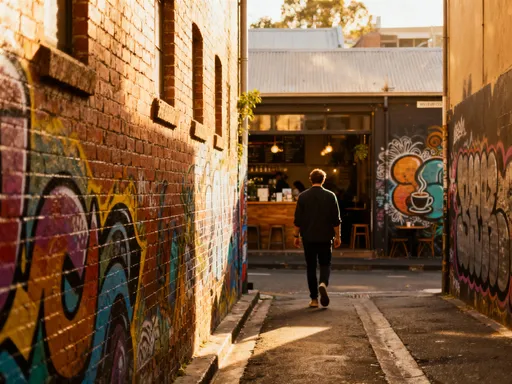
Fitzroy has long been celebrated as Melbourne’s creative heart, but even among its admirers, many overlook the quieter alleys that branch off its main roads. While AC/DC Lane draws crowds for its tribute to the rock legends, lesser-known passages like Finley Lane and Napier Lane offer a more intimate experience. These narrow corridors are alive with evolving murals, stencil work, and paste-ups that reflect everything from political commentary to whimsical fantasy. Unlike the curated galleries of the city center, this art is raw, spontaneous, and often temporary—paintings washed away by rain or painted over by the next artist in line. That impermanence is part of its beauty, a reminder that creativity in Fitzroy is not a static exhibit but a living, breathing conversation.
Beyond the walls, these laneways hide a network of independent boutiques, micro-galleries, and designer studios. You might stumble upon a tiny shop selling hand-dyed silk scarves, a pop-up jewelry exhibition in a former storage room, or a hidden courtyard where a small group practices yoga between buildings. The neighborhood’s history as a hub for artists, activists, and free thinkers continues to shape its present. Once a working-class enclave, Fitzroy has evolved without losing its edge. Gentrification has brought new cafes and renovated terraces, but community organizations and long-term residents have worked hard to preserve affordable housing and cultural spaces. This balance between change and continuity is evident in the way the laneways function—not as tourist attractions, but as functional, multi-use corridors where art, commerce, and daily life intersect.
For a truly immersive experience, consider a self-guided walking route that begins at the corner of Brunswick Street and Gertrude Street. Head east on Gertrude, pausing at local favorites like Monkhouse & Daughter for vintage home goods or Patricia Coffee Brewers for a quick espresso. Then, slip into Napier Lane, where colorful murals climb the brick walls and small design studios display their work in ground-floor windows. Continue south to Finley Lane, quieter and more introspective, often featuring socially conscious art. Loop back via Hanover Street, where you’ll find community gardens and street libraries maintained by residents. This route takes about an hour at a leisurely pace and offers a cross-section of what makes Fitzroy unique: creativity rooted in community, art that speaks to real issues, and a streetscape that rewards close attention.
St Kilda’s Backstreets: Life Beyond the Beach
St Kilda is best known for its wide beach, the historic Palais Theatre, and the nightly penguin parade at St Kilda Pier. Yet just a few blocks inland, a different world unfolds—one defined by tree-shaded avenues, heritage homes, and a richly layered cultural history. Acland Street, once famous for its Jewish bakeries and cake shops, still retains much of its old-world charm, though it now shares space with modern cafes, vegan bakeries, and eclectic boutiques. The backstreets branching off Acland—like Albert Street, Park Street, and Dandenong Road—are quieter, residential corridors where laundry flaps on balconies and kids ride bikes on the footpath. These streets may lack the spectacle of the foreshore, but they offer something more valuable: a glimpse into the everyday life of a neighborhood in transition.
The cultural fabric of St Kilda is deeply woven with threads of migration and resilience. For decades, it has been home to diverse communities, including Jewish, Greek, and more recently, LGBTQ+ populations—though the latter is mentioned here only in recognition of historical presence, not as a focus of discussion. What stands out today is the area’s quiet inclusivity. Bookshops host poetry readings, corner stores sell international groceries, and community centers offer language classes and art workshops. Visitors who take the time to explore these side streets often find themselves welcomed into spaces that feel personal and authentic. A simple stop at a family-run deli for a coffee and a slice of sourdough can turn into a conversation about local history or recommendations for hidden gems.
To engage respectfully with St Kilda’s backstreets, it’s important to move with awareness and humility. This is not a theme park or a photo opportunity; it’s a living neighborhood. Avoid loud behavior, especially in residential zones, and be mindful of private property. Support local businesses by purchasing from independent shops rather than chain stores. If you attend a community event, do so as a guest, not a spectator. The goal is not to extract experiences but to participate in them with gratitude. By doing so, you honor the people who call this place home and contribute to a tourism culture that values connection over consumption.
Footscray’s Rising Identity: Flavor, Art, and Grit
Once known primarily for its industrial landscape and railway yards, Footscray has undergone a remarkable transformation in recent years. Located just six kilometers west of Melbourne’s center, this suburb now stands as a powerful example of cultural renewal. Its identity is shaped by a strong sense of place—rooted in its working-class history, its diverse population, and its commitment to grassroots creativity. The Footscray Market, open every Sunday, is a vibrant showcase of this evolution. Stalls overflow with fresh produce, handmade dumplings, fragrant spices, and traditional breads from countries like Vietnam, Ethiopia, Lebanon, and Sudan. The air hums with multiple languages, and the scent of roasting coffee and grilled meats creates an irresistible invitation to explore.
The food scene here is not just diverse—it’s deeply authentic. Unlike curated 'ethnic' dining experiences designed for tourists, Footscray’s eateries are born from necessity and tradition. Families cook the meals they grew up with, using recipes passed down through generations. A small Ethiopian café might serve injera with berbere-spiced stews in a no-frills setting, while a Vietnamese bakery offers banh mi sandwiches wrapped in paper bags. Fusion pop-ups, often run by second-generation Australians, blend culinary traditions in innovative ways—think Vietnamese-Australian breakfast rolls or Middle Eastern-inspired pastries. These offerings reflect the suburb’s dynamic cultural exchange, where heritage and innovation coexist.
Accessibility to Footscray is excellent. The train line runs frequently from Southern Cross Station, making it easy to reach even for first-time visitors. The market area is well-lit and patrolled, and locals are generally friendly and helpful to those who show genuine interest. The best time to visit is mid-morning on a Sunday, when the market is in full swing but not yet overcrowded. As you walk through the stalls, take time to chat with vendors—many are happy to share stories about their food or recommend lesser-known dishes. Beyond the market, Footscray’s streets are dotted with murals celebrating cultural pride, community gardens, and artist-run spaces. This is a suburb that embraces its grit while building something beautiful from it—a testament to the resilience and creativity of its people.
Prahran & Windsor: Style with Substance
Chapel Street is often associated with high-end shopping and nightlife, but its southern stretches—particularly in Prahran and Windsor—offer a more balanced blend of style and substance. Away from the chain stores and crowded bars, you’ll find design studios tucked into converted warehouses, independent record shops with curated collections, and hidden bars accessible only through unmarked doors or alleyways. These quieter sections of the street retain a sense of discovery, where each corner turned might reveal a mural, a pop-up flower stall, or a courtyard café serving single-origin pour-overs. The energy here shifts dramatically between day and night. Mornings are calm, with locals walking dogs and grabbing breakfast at neighborhood bakeries. By evening, the mood becomes more electric, but it’s a local kind of buzz—friends meeting for drinks, couples heading to dinner, musicians setting up for gigs.
What sets Prahran and Windsor apart is the emphasis on local patronage. While some areas of Melbourne cater heavily to tourists, these suburbs thrive on community support. Shops are often family-owned, and staff remember regulars by name. This sense of continuity fosters trust and belonging. For visitors, the key is to move at the pace of the neighborhood. Instead of rushing from one destination to the next, allow yourself to linger—browse a rack of vintage denim, flip through a stack of secondhand records, or sit on a bench and watch the street come alive. Specific stops worth noting include Cumulus Up for elevated Australian cuisine, Neighbourhood Wine for natural wines and small plates, and The Emerald for retro cocktails in a 1920s setting. Each reflects the area’s evolving urban fabric—a mix of heritage, innovation, and quiet sophistication.
Exploring Prahran and Windsor also offers insight into Melbourne’s broader urban development. The city has invested in preserving historic buildings while encouraging adaptive reuse. Old factories become art spaces, former warehouses turn into residences with ground-floor cafes, and underutilized lots host temporary markets. This approach not only maintains architectural character but also supports sustainable growth. As a visitor, you benefit from this balance—experiencing a dynamic streetscape that feels both modern and rooted in history. By choosing to spend time and money in these neighborhoods, you contribute to a model of urban life that values authenticity over spectacle.
Why These Streets Matter: The Bigger Picture of Urban Travel
Discovering Melbourne’s hidden corners is about more than personal enrichment—it’s part of a larger shift in how we think about travel. In an era of overtourism and carbon footprints, mindful exploration has become both a responsibility and a privilege. When you venture into neighborhood cores, you move beyond the performative aspects of tourism—checking off landmarks, collecting photos, following influencers’ itineraries. Instead, you engage with a city as a complex, living system. You see how people live, what they value, and how communities sustain themselves. This kind of travel fosters empathy, deepens understanding, and builds connections that last far longer than a vacation.
Supporting local economies is another critical benefit. Every dollar spent at an independent café, a family-run market stall, or a community arts space circulates within the neighborhood, helping to preserve its character and resilience. In contrast, spending concentrated in tourist zones often benefits large corporations with little local investment. By choosing to explore overlooked areas, you become part of a more equitable tourism model—one that values sustainability, diversity, and long-term well-being. Moreover, these experiences tend to be more memorable. The warmth of a conversation with a shop owner, the surprise of finding a mural in an unexpected place, the taste of a meal made with care—these are the moments that stay with you.
There is also a quiet joy in letting go of rigid plans. So much of modern travel is scheduled down to the minute, leaving little room for spontaneity. But real discovery often happens when you allow yourself to wander without a destination. Melbourne, with its grid layout and pedestrian-friendly streets, is perfectly suited to this kind of exploration. You don’t need a map to find magic—you need only curiosity and the willingness to look closely. The city rewards those who do, revealing layers of beauty in the ordinary: a painted doorway, a shared smile, a patch of sunlight on a brick wall.
Conclusion: Rewriting Your Melbourne Story
Melbourne is a city of contrasts—of grand institutions and hidden alleys, of bustling markets and quiet courtyards, of global influences and local pride. To experience it fully is to move beyond the surface and embrace the depth that lies beneath. The neighborhoods explored here—Northcote, Fitzroy, St Kilda, Footscray, Prahran, and Windsor—are not secret escapes or exclusive enclaves. They are living, breathing parts of the city, shaped by generations of residents and constantly evolving. They invite you not as a spectator, but as a participant in their daily rhythm.
When you choose to explore these overlooked urban zones, you do more than see a new place—you redefine how you travel. You shift from consumption to connection, from itinerary to intuition. You learn that authenticity isn’t found in replicas or reenactments, but in the real, unscripted moments of urban life. And in doing so, you contribute to a more thoughtful, sustainable, and human-centered form of tourism.
So the next time you visit Melbourne, leave the guidebook behind. Step off the tram at a stop you’ve never heard of. Turn down a street with no signposts, no crowds, no expectations. Let curiosity be your compass. Because the true soul of the city isn’t in its monuments or museums—it’s in the quiet hum of everyday life, waiting to be discovered, one unassuming block at a time.