Where Art Comes Alive: Montevideo’s Festival Magic Unfolds
Montevideo isn’t just Uruguay’s capital—it’s a canvas where culture pulses through the streets. I arrived curious, but left transformed by its vibrant festival scene, deeply rooted in art and expression. From murals that speak volumes to open-air performances that ignite the night, the city celebrates creativity like no other. This is more than tourism—it’s immersion. If you crave authentic, artistic energy, Montevideo’s festivals deliver in ways you won’t expect.
The Heartbeat of Montevideo: Art in Everyday Life
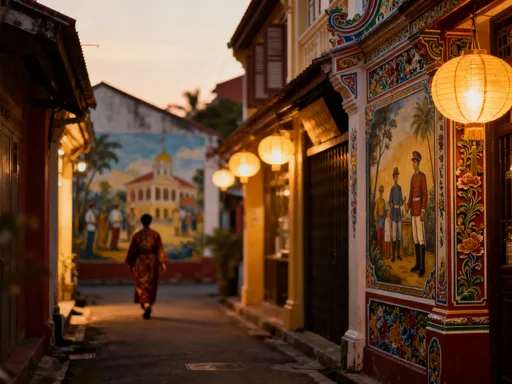
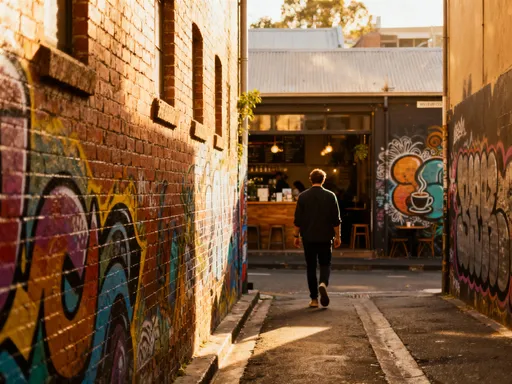
Montevideo breathes art. It’s not confined to galleries or seasonal events—it’s woven into the rhythm of daily life. From the colonial facades of Ciudad Vieja to the colorful facades of working-class neighborhoods, the city’s visual language is rich with symbolism, history, and imagination. Walking through Barrio Sur or Palermo, one encounters murals that depict social struggles, celebrate national heroes, or simply explode with abstract color. These aren’t random acts of graffiti; they are intentional public statements, often supported by municipal programs that encourage artists to reclaim neglected walls as storytelling spaces.
The city government has long recognized culture as a pillar of civic life. Public art initiatives, such as the Ministry of Education and Culture’s urban intervention projects, have turned forgotten underpasses and vacant lots into open-air exhibitions. These efforts don’t just beautify the city—they democratize access to art. Unlike traditional museums, which can feel exclusive or intimidating, street art invites everyone in. A child on a bicycle pauses to study a painted tribute to Afro-Uruguayan drummers. An elderly couple stops to read the poetic inscriptions along a community wall. In these quiet moments, art becomes conversation.
This deep cultural foundation is what makes Montevideo so receptive to large-scale festivals. Because art is already part of the city’s identity, its people don’t just attend festivals—they co-create them. The energy doesn’t come from imported performers or commercial attractions; it flows from a population that sees creativity as essential, not optional. When festival season arrives, it feels less like an event and more like a natural unfolding—an annual blossoming of a culture already in bloom.
Carnaval: The World’s Longest Party with a Creative Soul
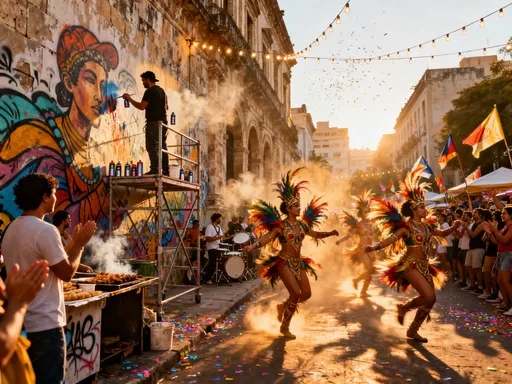
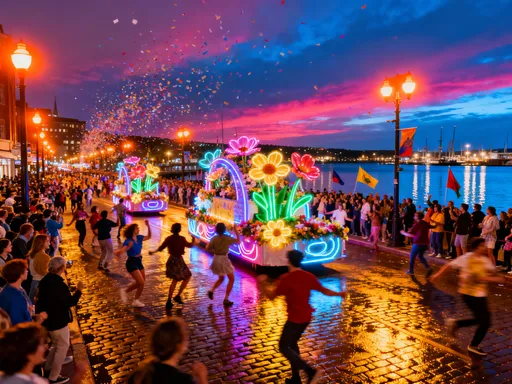
If Montevideo has a cultural heartbeat, it beats loudest during Carnaval. Lasting over 40 days, it is widely recognized as the longest carnival in the world. Unlike the flashy parades of Rio or the masked elegance of Venice, Uruguay’s version is deeply artistic, rooted in satire, music, and community theater. At its core are the *murgas*—musical theater troupes that blend singing, acting, and political commentary into powerful, hour-long performances. Dressed in matching costumes and painted faces, these groups take the stage nightly during the season, delivering sharp, poetic critiques of current events through song and choreography.
What sets Montevideo’s Carnaval apart is its accessibility. Performances, known as *tablados*, are held in open-air theaters across the city, many of them free to the public. Families bring chairs, blankets, and snacks, turning the nightly shows into communal gatherings. The music—driven by drums, flutes, and high-pitched falsetto vocals—is both joyful and thought-provoking. A *murga* might begin with a playful melody about summer heat, then pivot to a haunting ballad about economic inequality or environmental loss. The blend of humor and gravity makes the experience deeply human.
Equally compelling are the *parodistas*, solo performers who use exaggerated costumes and witty monologues to lampoon public figures and social trends. Their acts are not cruel but clever, drawing laughter while encouraging reflection. Meanwhile, *candombe* drum circles pulse through the streets, especially in Afro-Uruguayan neighborhoods like Sur and Palermo. These rhythmic gatherings, led by *llamadas* (call-and-response processions), connect the present to centuries of African heritage. Carnaval, in this sense, is not just celebration—it is memory, resistance, and renewal, all expressed through art.
Semana Criolla: Tradition Meets Artistic Flair
While Carnaval pulses with urban energy, Semana Criolla offers a different rhythm—one that honors Uruguay’s rural soul. Held annually, usually in October, this week-long celebration pays tribute to the *gaucho*, the iconic horseman of the South American pampas. But Semana Criolla is not a historical reenactment frozen in time. It is a living, creative reinterpretation of tradition, where folk music, equestrian skills, and artisan crafts converge in vibrant displays of national identity.
Along the Rambla, Montevideo’s scenic waterfront avenue, temporary stages host *payadores*—improvisational folk singers who engage in lyrical duels, trading verses on love, nature, or politics. Their performances, accompanied by guitar and bombo drum, are spontaneous and poetic, drawing crowds who appreciate both the skill and the storytelling. In Plaza Independencia, one of the city’s main squares, equestrian parades showcase the precision and grace of gaucho horsemanship. Riders in traditional attire—wide-brimmed hats, leather boots, and silver spurs—guide their horses through intricate maneuvers, transforming the urban space into a stage for rural heritage.
Equally important are the artisan fairs that pop up during Semana Criolla. Here, visitors find handwoven textiles, leatherwork, and mate gourds carved with intricate patterns. These are not mass-produced souvenirs but functional art pieces, each carrying the mark of its maker. Local chefs also participate, offering traditional dishes like *asado* (slow-grilled meat) and *chivito* (a hearty steak sandwich), turning food into another form of cultural expression. Semana Criolla, then, is not about nostalgia—it’s about continuity, showing how tradition can evolve through artistic interpretation and public celebration.
NUAM and the Urban Art Movement
In recent years, Montevideo has emerged as a global destination for urban art, thanks in large part to the *No Urbano de Arte Contemporáneo* (NUAM) festival. This annual event transforms overlooked parts of the city into dynamic open-air galleries, inviting local and international artists to create large-scale murals and installations. Unlike static exhibitions, NUAM is process-oriented—visitors can watch artists at work, engage in workshops, and even contribute to collaborative pieces. The result is not just visual transformation but community engagement.
The heart of NUAM’s impact lies in Ciudad Vieja, the city’s historic district. Once marked by economic decline and urban decay, this area now pulses with color and creativity. Guided mural tours have become a popular attraction, led by local art historians or participating artists who explain the meaning behind each piece. One mural might depict a child holding a key made of light, symbolizing hope for the future. Another might portray a tree whose roots form the faces of indigenous ancestors, connecting past and present. These works are not decorative—they are narratives, often addressing themes like migration, identity, and environmental stewardship.
What makes NUAM truly transformative is its emphasis on public space as a site of dialogue. By placing art in streets, alleys, and abandoned buildings, the festival challenges the idea that creativity belongs only in institutions. A mother pushing a stroller stops to take a photo. A group of teenagers mimic poses from a painted dance scene. These small interactions show how art can reshape how people see their city—and themselves. NUAM doesn’t just change walls; it changes perceptions, proving that beauty and meaning can emerge from the most unexpected places.
Choosing the Right Time: Festival Calendar & Travel Planning Tips
To experience Montevideo’s artistic spirit at its peak, timing is essential. The city’s festival calendar offers several key windows for culturally rich travel. Carnaval, running from late January through early March, is the most extensive and vibrant. While the official schedule varies slightly each year, the core events—*tablados*, *candombe* processions, and *murga* competitions—concentrate in February, making it the ideal month for first-time visitors seeking energy and immersion.
Another prime opportunity is NUAM, typically held in October. This timing coincides with spring in the Southern Hemisphere, when mild temperatures and blooming jacaranda trees enhance the city’s charm. October also hosts Semana Criolla, allowing travelers to experience both urban art and rural tradition in a single trip. Planning ahead is crucial: accommodations in Montevideo fill quickly during these periods, especially in popular neighborhoods like Pocitos and Ciudad Vieja. Booking at least three to four months in advance ensures better rates and location options.
Travelers should also consider transportation. Montevideo has a reliable bus system, and many festival sites are within walking distance in the central areas. For longer distances, ride-sharing apps and taxis are safe and affordable. Most major events are free, though some indoor performances or workshops may require registration. The city’s tourist information centers provide updated schedules and maps, often in English and Spanish. By aligning travel with these cultural peaks, visitors gain more than entertainment—they gain insight into the values, history, and creativity that define Uruguayan life.
Beyond the Center: Artistic Gems in Peripheral Neighborhoods
While the city center draws the most attention, some of Montevideo’s most authentic artistic expressions thrive in its peripheral neighborhoods. In Pocitos, a coastal district known for its beaches, community festivals often blend music, theater, and visual art in relaxed, family-friendly settings. Local bands perform on the Rambla during summer evenings, while pop-up art stalls showcase paintings and ceramics from emerging artists. These events, though smaller in scale, reflect the neighborhood’s creative spirit and inclusive vibe.
Further inland, Villa García and Casavalle have become hubs for grassroots cultural initiatives. Here, youth-led collectives organize graffiti workshops, theater productions, and hip-hop performances that address social issues like education, housing, and inequality. These events are not polished spectacles but raw, passionate expressions of lived experience. A mural in Casavalle might depict a child reading beneath a streetlight, captioned “La luz de la esperanza” (The light of hope), symbolizing the power of learning in underserved communities.
These neighborhood festivals are often organized with support from local nonprofits and cultural foundations, ensuring sustainability without commercial pressure. They offer visitors a chance to engage with art that is intimate, unfiltered, and deeply connected to community life. Unlike the grand stages of Carnaval, these spaces invite participation—clapping along to a drum circle, chatting with a young painter, or trying a handmade empanada from a local vendor. In these moments, tourism becomes exchange, and art becomes a bridge between strangers.
How to Experience Art Festivals Like a Local
To truly connect with Montevideo’s festival culture, visitors should aim not just to observe but to participate. Learning a few basic Spanish phrases—such as “¿Dónde es el tablado?” (Where is the performance stage?) or “Me encantó su actuación” (I loved your performance)—can open doors to meaningful interactions. Many performers appreciate the effort, even if conversations remain simple. Attending free rehearsals or community workshops offers another way to go behind the scenes, gaining insight into the creative process and building rapport with local artists.
Visiting cultural institutions like the MACAM (Museo de Arte Contemporáneo de Montevideo) or the Museo Juan Manuel Blanes provides historical context for the city’s artistic evolution. These museums, while more traditional, often feature exhibitions that connect past and present, showing how colonial influences, European immigration, and indigenous roots have shaped Uruguayan art. Staff are usually welcoming and happy to discuss current events or recommend off-the-beaten-path festivals.
Respectful engagement is key. When photographing murals or performers, a smile and a nod go a long way. Joining a dance circle or clapping along to a drumbeat signals appreciation without intrusion. Supporting artisan vendors by purchasing handmade goods directly contributes to the local economy and sustains creative livelihoods. Above all, approaching the experience with curiosity and humility allows visitors to move beyond spectatorship and touch the heart of Montevideo’s artistic soul.
Montevideo’s festivals reveal a truth often missed by tourists: art here isn’t displayed—it’s lived. These celebrations aren’t performances for outsiders, but expressions of national soul, constantly evolving through public participation. To witness them is to understand Uruguay’s spirit not from a distance, but from within. For travelers seeking depth over spectacle, Montevideo offers not just sights, but belonging—an invitation to feel the rhythm of a city that paints its dreams in broad daylight.