Where Flavors Meet the Lens: Victoria’s Tasty Side You Can’t Miss
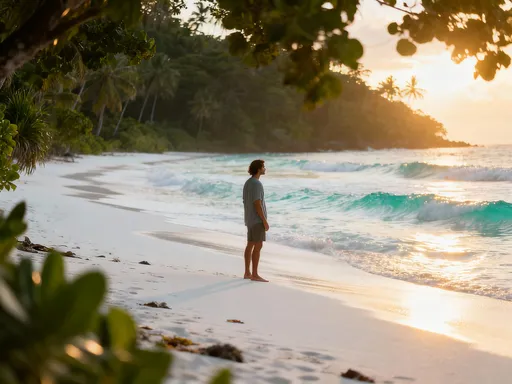
Tucked away in the Indian Ocean, Seychelles’ capital Victoria offers more than just postcard-perfect beaches—it’s a feast for the senses. I wandered its vibrant markets, snapped sunrise shots at hidden waterfront spots, and discovered how dining here is as much about the view as the flavor. From colorful Creole dishes to open-air cafes framed by palm trees, every meal feels like a scene worth capturing. This is where travel, taste, and photography blend perfectly. For women who travel not just to see, but to feel, taste, and remember, Victoria presents a quiet magic—unhurried, rich in warmth, and deeply human. Here, a cup of coffee is sipped slowly; a plate of food tells generations of story. And with every click of the camera, you’re not just documenting a moment—you’re honoring a way of life.
First Impressions: Stepping into Victoria with a Camera in Hand
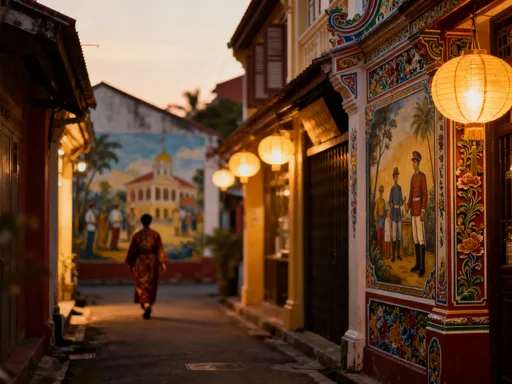
Arriving in Victoria, the capital of Seychelles, feels like stepping into a softly lit painting. The city is small—so compact that within minutes of landing at the airport, you can be strolling along its tree-lined avenues, camera in hand, ready to capture the rhythm of island life. Colonial-era buildings painted in buttercup yellow, seafoam green, and coral pink line the streets, their wooden shutters slightly ajar, revealing glimpses of life within. Balconies overflow with bougainvillea, and the air carries the scent of frangipani and salt.
What makes Victoria especially photogenic is its authenticity. There are no grand monuments or sprawling malls—just a working capital where life unfolds naturally. Women in bright wraps carry baskets from the market; fishermen mend nets by the harbor; children laugh as they chase each other past the clock tower, a replica of London’s Royal Exchange. These are the moments that beg to be photographed, not because they are perfect, but because they are real.
The city’s cultural blend is visible in every corner. You see it in the Indian-style spice shops tucked beside French-influenced bakeries, in the African rhythms drifting from a roadside radio, in the Chinese characters above a family-run grocery. This fusion isn’t performative—it’s lived. And for travelers, especially women seeking meaningful, grounded experiences, this quiet diversity offers a deep sense of connection. With a camera, you’re not just observing—you’re participating, one frame at a time.
Because Victoria is walkable, a photo journey here doesn’t require a schedule. You can start at the harbor, loop through the market, and end at a seaside bench with a fresh coconut in hand. Early mornings are ideal—soft light bathes the streets, and the city stirs gently. By midday, the sun climbs high, casting sharp shadows, but even then, the contrast adds drama to your shots. The key is to move slowly, let the city speak, and allow your lens to listen.
The Heartbeat of Flavor: Touring Victoria’s Local Market
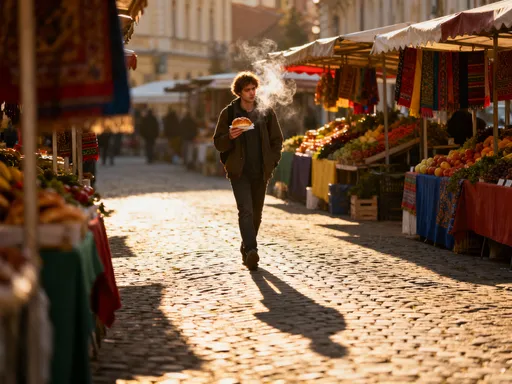
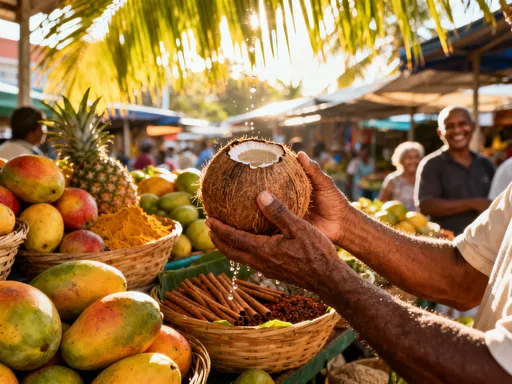
No visit to Victoria is complete without a morning spent at the Sir Selwyn Selwyn-Clarke Market, the island’s culinary heart. Housed in a colonial-era building with high ceilings and wide archways, the market pulses with life from dawn until mid-afternoon. Step inside, and you’re met with a symphony of color, scent, and sound—pyramids of mangoes glowing like suns, bunches of bananas hanging like chandeliers, and crates of fish still glistening with seawater.
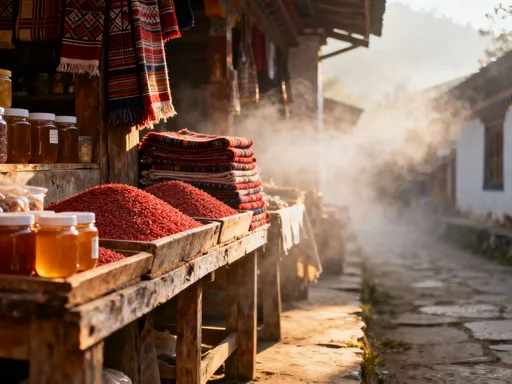
The produce is astonishing in both variety and freshness. You’ll find fruits rarely seen outside the tropics: soursop with its spiky green skin, rambutan with its wild red hairs, and the king of island fruits, the giant double coconut—or coco de mer—native only to Seychelles. Spices fill burlap sacks: turmeric root, whole cinnamon sticks, dried chilies, and vanilla pods so rich in aroma they stop you mid-step. Vendors call out prices in Creole, their voices warm and unhurried, always ready with a smile or a story.
For photographers, the market is a dream. The natural light filters through the high windows, casting soft beams across wooden stalls. The textures are endless—rough coconut husks, smooth mango skins, the glistening scales of red snapper. But beyond the still lifes, the real magic lies in the people. A grandmother selects okra with careful fingers. A fishmonger scales a barracuda with practiced ease. These are not staged scenes; they are everyday moments, rich with dignity and grace.
To capture them respectfully, move with awareness. Ask with a nod or a smile before photographing a vendor. Many are happy to be included—some even pose proudly beside their displays. The best time to visit is between 7:00 and 9:00 a.m., when the light is gentle and the market is busy but not crowded. By 10:00, the heat rises, and many stalls begin to close. Bring a small bag for purchases—buy a fresh pineapple, a bundle of lemongrass, or a handmade coconut oil soap. These small exchanges deepen the experience and often lead to the most genuine interactions.
Breakfast with a View: Morning Eats That Beg to Be Photographed
Morning in Victoria is a quiet celebration of simplicity and flavor. Along the harbor, small open-air cafés come alive as locals gather for breakfast. These are not tourist traps but neighborhood spots where the rhythm of life feels most natural. Picture a simple wooden table under a thatched roof, shaded by coconut palms, with the Indian Ocean shimmering just beyond. A plate arrives: grilled fish, still warm, flaked beside a mound of yellow lentil dhal, a wedge of lime, and a platter of papaya, mango, and pineapple.
This is the kind of meal that doesn’t just feed the body—it feeds the soul. And it’s also a photographer’s delight. The natural lighting at this hour is soft and even, perfect for capturing the steam rising from a hot cup of coffee or the glisten on a freshly cut mango. The colors are vibrant but not overwhelming: golden fish, green herbs, red peppers, deep brown coffee in hand-thrown ceramic cups. Even the tableware—often mismatched, colorful, and handmade—adds character to every shot.
One such café, tucked between a boat repair shop and a fruit stand, offers a view straight to the water. Fishermen unload their catch just steps away, and the morning breeze carries the scent of salt and grilled garlic. Here, you’ll see mothers with young children, older couples sharing quiet conversation, and solo travelers like yourself, savoring the stillness. Order the local favorite: grilled red snapper with lentils and coconut rice. It’s simple, nourishing, and deeply satisfying.
When photographing your meal, consider the setting. A low-angle shot captures the texture of the fish and the reflection of light on the plate. A wider frame includes the surroundings—the palm fronds, the sea, the smiling server in a floral apron. But remember, the best photos often come after the first bite, when the plate is slightly messy, the napkin is crumpled, and the moment feels lived-in. Perfection is overrated. Authenticity is timeless.
Lunch Al Fresco: Chasing Authentic Creole Cuisine
By midday, the sun is high, and the air hums with heat. It’s the perfect time to seek shade under a wide awning and dive into a proper Creole lunch. Creole cuisine is the soul of Seychellois food—a blend of African boldness, Indian spice, French technique, and Chinese stir-fry flair. The result is a cuisine that is hearty, flavorful, and deeply comforting. And in Victoria, the best places to experience it are the family-run eateries tucked down side streets or hidden behind market alleys.
Look for a small restaurant with plastic tables, handwritten menus, and the sound of sizzling from an open kitchen. These are the signs of authenticity. One dish you must try is octopus curry—tender pieces of cephalopod stewed in a rich sauce of coconut milk, turmeric, garlic, and green chilies. It’s served with breadfruit fries, a local staple that tastes like a cross between potato and plantain, and a side of banana chutney that balances the heat with sweetness. The plating is rustic, often on melamine plates, but the colors are vibrant: orange curry, golden fries, bright yellow chutney.
Photographing these meals requires a different approach. The lighting is harsher, so seek out spots with shaded patios or overhead fans that diffuse the sun. Shoot quickly, while the food is hot and steamy—this is when it looks most alive. Focus on details: a spoon dipping into the curry, a fry coated in golden crumbs, a sprig of fresh coriander on the rim of the plate. These close-ups tell the story of flavor before a single bite is taken.
When photographing other diners or kitchen staff, always be respectful. A smile and a gesture toward your camera are usually enough to gain permission. Many locals are proud of their food and happy to share it—literally and figuratively. In fact, some of the most memorable moments come from these small exchanges: a cook showing you how to mix the curry, a grandmother explaining how she makes her chutney. These are the human connections that transform a meal into a memory.
Golden Hour Bites: Sunset Snacks and Seaside Stalls
As the sun begins its descent, Victoria transforms. The light softens, turning golden, and the harbor comes alive with a new energy. This is golden hour—the most magical time for both eating and photographing. Along the waterfront, small stalls begin to open, their grills sending up curls of smoke. The scent of grilled fish, coconut, and spices drifts through the air, drawing locals and visitors alike.
One of the most popular treats is grilled shark skewers, a local favorite. The shark is marinated in garlic, lime, and Creole spices, then grilled over charcoal until the edges are slightly charred. Served with a wedge of lime and a chili dip, it’s smoky, savory, and deeply satisfying. Nearby, a woman in a wide hat sells coconut cakes—sweet, dense squares made with fresh coconut, brown sugar, and vanilla. A juice stand offers glasses of fresh soursop, papaya, or passion fruit, each one a burst of tropical flavor.
From a photography standpoint, golden hour is unbeatable. The warm light enhances textures—the char on the skewers, the flakiness of the coconut cake, the condensation on a cold juice glass. Use reflections in puddles or window panes to add depth to your shots. Try shooting from a low angle to make the food look larger than life. Capture the vendor’s hands—wrinkled, strong, skilled—as they flip skewers or pour juice. These details tell a story of craft and care.
Don’t rush. Sit on a low wall with your snack and watch the sky change. Children play nearby. Couples walk hand in hand. Fishermen pull in their boats. This is life in motion, and your camera is your witness. The food is delicious, yes, but the real nourishment comes from being present—tasting, seeing, feeling the rhythm of the island as it slows into evening.
Dining Under the Stars: Evening Experiences with Atmosphere
When night falls, Victoria reveals another layer of charm. Open-air restaurants light their lanterns, and the sea breeze carries away the day’s heat. This is the time for a proper dinner—something elegant in its simplicity, rich in flavor, and surrounded by atmosphere. One such spot, nestled along a quiet stretch of coastline, offers tables set with candles, soft guitar music in the background, and the gentle lap of waves just beyond the sand.
The menu is a celebration of the sea. Grilled tuna, caught that morning, arrives seared on the outside, pink within, topped with a fresh mango salsa that sparkles with lime and cilantro. It’s served with roasted breadfruit and a salad of local greens dressed in coconut oil and lime. For dessert, banana flambe—sliced bananas sautéed in rum and brown sugar, flamed tableside, then served with a scoop of vanilla ice cream. The contrast of hot and cold, sweet and tangy, is pure delight.
Photographing dinner at night requires a different strategy. Natural light is gone, but ambient lighting—candles, lanterns, string lights—creates mood. Use a slower shutter speed or a tripod to avoid blur. Focus on the glow of the flame on the banana, the reflection of candlelight in a wine glass, the silhouette of a guitarist against the sky. These images capture not just the food, but the feeling of the moment.
Many of these restaurants prioritize sustainability, sourcing seafood responsibly and using local ingredients. This commitment to the environment is part of the island’s identity. When you dine here, you’re not just enjoying a meal—you’re supporting a way of life that respects the ocean and the land. And that’s something worth photographing, too.
Beyond the Plate: How Food Tells Victoria’s Story
Every bite in Victoria is a chapter in a larger story—one of migration, resilience, and fusion. The Creole cuisine you taste is not just food; it’s history on a plate. The French brought their sauces and techniques. The Africans introduced okra, callaloo, and bold flavors. The Indians contributed spices, lentils, and chutneys. The Chinese added stir-frying and soy. Over centuries, these influences blended into something entirely new—a cuisine that is uniquely Seychellois.
When you photograph a meal here, you’re not just capturing a dish—you’re documenting heritage. The octopus curry, the banana chutney, the coconut cake—they are edible heirlooms, passed down through generations. And in a world where fast food and global chains homogenize taste, places like Victoria remind us of the beauty of local tradition.
For women who travel with intention, this is where photography becomes more than a hobby—it becomes a form of preservation. Consider pairing your images with short voice notes or journal entries: the name of the vendor, the story behind the recipe, the way the light fell on the table. These small acts deepen your connection and create a richer travel record. Years from now, when you look at your photos, you won’t just see a meal—you’ll remember the warmth of the vendor’s smile, the sound of the waves, the taste of the sea on your lips.
Food photography, at its best, is storytelling. It invites others to see, to care, to remember. And in a place like Victoria, where every flavor has a history and every meal a moment, your lens becomes a bridge between cultures, generations, and hearts.
Final Frame: Why Victoria’s Culinary Scene Deserves Your Lens
Victoria is not a destination of grand spectacles or luxury resorts. It is a place of quiet beauty, where the ordinary becomes extraordinary when seen through a mindful eye. Its culinary scene—rooted in tradition, shaped by the sea, and served with pride—is one of its greatest treasures. And for the traveler who carries a camera, it offers endless inspiration.
Great food photography doesn’t require expensive gear or perfect lighting. It requires presence. It asks you to slow down, to savor, to notice the way steam curls from a bowl of curry, the way a child laughs while eating a coconut cake, the way the sunset paints a fisherman’s hands gold. These are the moments that matter.
So come to Victoria not just to eat, but to experience. Let your meals be your guide. Let your camera be your companion. And let the island’s rhythm—slow, warm, generous—shape your journey. In Victoria, every bite is a story waiting to be seen. And every photograph is a quiet act of love.