Snap, Smile, Soul: Where Art Lives in Every Corner of Luxembourg City
Have you ever walked through a city and felt like every turn was a masterpiece waiting to be captured? Luxembourg City isn’t just a capital—it’s a living gallery. From its sunlit stone bridges to hidden murals tucked in cobbled alleys, the city pulses with artistic energy. I grabbed my camera and discovered how culture and beauty blend seamlessly here. This is more than sightseeing—it’s storytelling through your lens. Every shadow, every reflection, every quiet moment between footsteps contributes to a visual symphony that unfolds with patience and presence. In a world where images flood our screens daily, Luxembourg offers something rare: authenticity, depth, and soul.
First Light, First Frame: Why Luxembourg City Feels Like a Photographic Dream
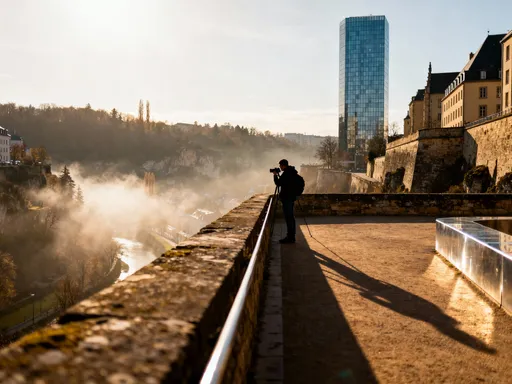
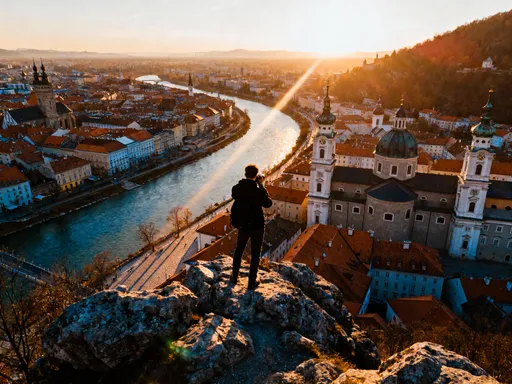
There is a moment just after dawn when Luxembourg City seems to breathe in color. Standing on the Corniche, often called the 'Most Beautiful Balcony in Europe,' one witnesses the first golden rays spill across the Alzette Valley, casting long, dramatic shadows over the ancient fortifications below. The light dances on the river’s surface, turning water into liquid amber, while the old city walls glow with a warmth that no digital filter can replicate. This is where the photographic journey begins—not with a checklist of sights, but with a feeling. The city reveals itself slowly, rewarding those who arrive early and move with intention.
What makes Luxembourg City uniquely photogenic is its layered complexity within a compact footprint. Within a single frame, you might capture a 17th-century bastion juxtaposed against a sleek glass office tower, or ivy-covered stone arches framing a modern tram gliding silently into view. The textures are endlessly varied: rough-hewn sandstone, polished steel railings, moss clinging to centuries-old masonry, and the soft green of meticulously maintained parklands. These contrasts do not clash—they converse. For photographers, this means every angle offers a new composition, every street corner holds a potential masterpiece.
The city’s scale enhances this experience. Unlike sprawling metropolises where beauty feels fragmented, Luxembourg City’s walkability allows for immersive exploration. You can begin in the valley and ascend through time and terrain in under an hour, moving from medieval depths to modern heights. This verticality creates dynamic perspectives—shooting upward through narrow alleys, capturing sweeping panoramas from elevated promenades, or focusing on intimate details like weathered door knockers and hand-painted signage. The absence of overwhelming crowds, especially in the early hours, means you can compose without rush, respond to light as it shifts, and let your eye train on subtleties others might miss.
Importantly, the authenticity of the scene remains intact. There are no artificial backdrops or staged attractions designed solely for social media. What you see is what generations have seen—only now, your lens becomes the bridge between past and present. Whether you're using a professional DSLR or a smartphone, the city invites you to slow down, observe deeply, and capture not just what is beautiful, but what feels true.
The Heartbeat of Culture: Exploring the Museums That Shape the City’s Soul
Beyond its natural vantage points and architectural charm, Luxembourg City’s artistic identity is anchored in its world-class cultural institutions. These are not merely repositories of artifacts; they are living spaces where history, design, and emotion converge. Three stand out for both their collections and their visual impact: the National Museum of History and Art (MNHA), the Mudam (Museum of Modern Art), and the Villa Vauban. Each offers a distinct chapter in Luxembourg’s cultural narrative, and each presents compelling opportunities for thoughtful photography.
The MNHA, housed in a grand neoclassical building, exudes timeless elegance. Its façade, adorned with columns and sculpted reliefs, reflects the city’s 19th-century ambitions and enduring respect for classical tradition. Inside, the museum traces Luxembourg’s journey from prehistoric settlements to contemporary society. For photographers, the interplay of natural light filtering through high windows onto Roman mosaics and Gothic sculptures creates a meditative atmosphere. Capturing these artifacts in their quiet dignity—perhaps a single spotlight illuminating a medieval chalice or the reflection of a tapestry in a glass case—invites a slower, more contemplative kind of image-making. The museum itself becomes part of the composition, with its marble floors and vaulted ceilings adding depth and grandeur.
In striking contrast stands Mudam, the Museum of Modern Art, designed by the late Zaha Hadid. Perched on the site of the old Fort Thüngen, the building is a masterpiece of contemporary architecture—its angular, metallic form appearing almost extraterrestrial against the green hillside. The structure’s fluid lines and reflective surfaces change with the weather and time of day, offering endless photographic possibilities. From a distance, it gleams under sunlight; at dusk, its illuminated interior glows like a lantern. Inside, the minimalist galleries host rotating exhibitions of international contemporary art, where abstract forms and bold installations challenge the viewer—and the lens—to interpret meaning beyond the literal.
Then there is Villa Vauban, a 19th-century mansion turned art museum nestled in the peaceful Dräi Eechelen Park. Surrounded by trees and overlooking the Alzette Valley, the villa radiates old-world charm. Its collection focuses on European paintings from the 17th to the 19th centuries, including works by Boucher and Fragonard. The interior, with its ornate woodwork and soft natural lighting, feels intimate and personal. Photographers can capture the delicate play of light on gilded frames or the quiet elegance of an empty gallery, where a single chair sits beneath a portrait, as if waiting for someone to return. The surrounding gardens, with their winding paths and seasonal blooms, offer additional layers for creative exploration.
Together, these institutions illustrate how Luxembourg honors both its heritage and its future. They are not isolated landmarks but integral parts of the city’s visual rhythm. Visiting them is not just about seeing art—it’s about experiencing how space, light, and history shape the way we see and remember.
Street Art & Hidden Canvases: Chasing Creativity Beyond the Obvious
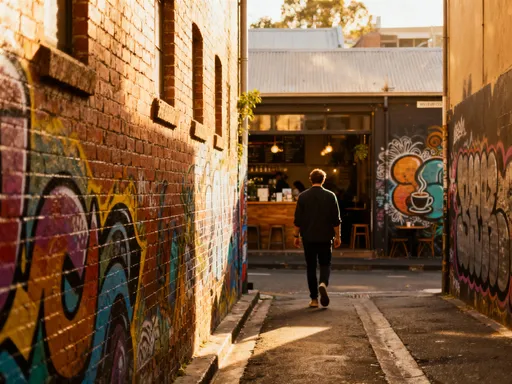
While museums preserve art in curated silence, the streets of Luxembourg City pulse with raw, unfiltered expression. In neighborhoods like Limpertsberg, Bonnevoie, and even pockets of the city center, walls become canvases, and alleyways turn into open-air galleries. Here, street art is not vandalism—it is dialogue. Murals depict social themes, cultural pride, and imaginative worlds, often blending Luxembourgish identity with global influences. For photographers, these spontaneous artworks offer vibrant, emotionally charged subjects that change with the seasons and the city’s evolving spirit.
One might stumble upon a towering mural of a local child gazing at the stars, rendered in bold blues and golds, or a whimsical scene of animals marching through a forest of urban pipes and wires. These pieces are often the work of local artists supported by cultural initiatives or temporary festivals such as “Urban Art Luxembourg,” which transforms forgotten walls into temporary masterpieces. Unlike static monuments, street art is fleeting—some pieces last only months before being painted over, making each photograph a kind of preservation.
Finding these hidden gems requires curiosity and a willingness to wander. While tourist maps rarely highlight them, they are often tucked behind tram stops, beneath railway arches, or along the sides of community centers. A quiet stroll through Bonnevoie’s residential streets might reveal a bright geometric pattern stretching across an entire building façade, or a poignant tribute to nature painted beside a small park. These discoveries are not accidental—they reward those who look beyond the obvious, who pause at side streets instead of rushing toward landmarks.
Photographing street art effectively means capturing both the artwork and its context. A wide-angle shot can show how the mural interacts with its environment—how a spray-painted bird appears to fly toward a real tree, or how a figure seems to emerge from a doorway. Close-ups reveal texture: the roughness of the wall beneath layers of paint, the fine lines of stencils, the fading edges of a piece nearing its end. Lighting plays a crucial role—early morning or late afternoon sun can cast long shadows that add drama, while overcast days provide even illumination ideal for color accuracy.
For family-oriented visitors, especially women aged 30 to 55 who may seek meaningful, enriching experiences, these artistic encounters offer a sense of connection. They reflect values of creativity, resilience, and community—qualities that resonate deeply in everyday life. Photographing a mural with a child’s drawing taped beside it, or capturing a local artist adding final touches while neighbors stop to chat, turns the lens into a tool of empathy. It’s not about perfection; it’s about presence.
Architectural Harmony: When Centuries Collide in Perfect Frame
Luxembourg City’s skyline is a timeline made visible. Within a few square kilometers, one can photograph Roman foundations, Gothic spires, Renaissance fortifications, and 21st-century architectural statements—all coexisting with surprising harmony. This blend is not accidental; it is the result of careful preservation and thoughtful urban planning. For photographers, it means every walk becomes a journey through time, where a single composition can span a thousand years.
Consider the Notre-Dame Cathedral, a striking example of late Gothic and Neo-Renaissance design. Its twin spires rise above the city, visible from many vantage points. Inside, the stained-glass windows—many installed in the 20th century—flood the nave with colored light, creating an ethereal atmosphere ideal for interior photography. Framing a shot through one of the side chapels, with sunlight illuminating a stone pillar and a modern visitor silhouetted in the distance, captures the living nature of sacred spaces. The cathedral is not frozen in time; it is used, cherished, and continuously reinterpreted.
Then there are the Bock Casemates, a network of tunnels carved into the city’s sandstone cliffs since the 17th century. Originally built for defense, they now serve as a historical attraction and a photographer’s dream. The dimly lit passageways, with their arched ceilings and narrow openings, offer dramatic contrasts between light and shadow. A long exposure shot from within a casemate, looking out toward the green valley, turns the aperture into a natural frame, with sunlight blazing at the edges like a halo. These images convey both the weight of history and the beauty of resilience.
In contrast, the Philharmonie Luxembourg—a modern concert hall designed by Christian de Portzamparc—represents the city’s embrace of innovation. Its flowing, metallic façade reflects the sky and surrounding parkland, changing appearance with every passing cloud. Photographing it at different times of day reveals its chameleon-like quality. From the outside, it appears sculptural and futuristic; from within, the concert hall’s warm wood interiors and precise acoustics suggest intimacy and human scale. Capturing the building in context—perhaps with families picnicking on the lawn before a performance—adds emotional depth to its architectural significance.
The true artistry lies in composing shots that bring these eras into conversation. Imagine a photograph where the ancient arch of a city gate frames the glass façade of a modern office building, or where the reflection of a Gothic church steeple appears in the mirrored surface of a contemporary structure. These layered images do more than document—they tell stories about continuity, adaptation, and the quiet dialogue between what was and what is becoming.
Golden Hour Routes: The Photographer’s Itinerary for Magic Light
For those seeking the most enchanting visuals, timing is everything. The golden hour—the period shortly after sunrise and before sunset—transforms Luxembourg City into a place of soft gradients, warm glows, and long, poetic shadows. A well-planned route during this time can yield a portfolio of images that feel both magical and authentic.
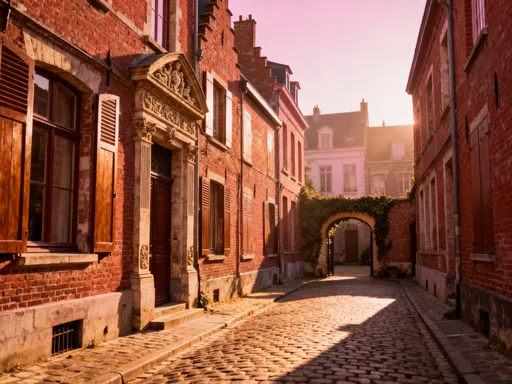
Begin in the Grund district as the sun begins to dip below the valley rim. The area, nestled between steep cliffs, comes alive with golden light that bathes the old houses and cobblestone streets. The contrast between the warm stone and the cool green of the surrounding foliage creates a rich, painterly effect. Position yourself near the Alzette River to capture reflections of the illuminated buildings—especially the red-tiled roofs and arched bridges. A tripod is essential here for long exposures that smooth the water into glass-like surfaces.
From Grund, walk toward the Passerelle, also known as the Luxembourg Viaduct. This elegant iron bridge offers one of the best panoramic views of the city. As dusk deepens, the streetlights flicker on, and the windows of distant buildings begin to glow. This is the perfect moment for cityscape photography. Use a mid-range zoom lens to isolate clusters of light, or go wide to capture the entire sweep of the valley. A polarizing filter helps reduce glare from glass surfaces and enhances the contrast between sky and structure.
Ascend to Place Guillaume II, the heart of the city’s pedestrian zone. Here, the square’s sandstone buildings reflect the last remnants of daylight, while the illuminated Adolphe Bridge shines in the distance. Photographers can experiment with reflections in puddles after rain, or capture the warm glow of café windows where locals gather. The human element—couples walking, musicians playing, children chasing pigeons—adds life to the scene. This is not just about capturing beauty, but about documenting the rhythm of daily life as it unfolds under nature’s most forgiving light.
Weather matters. A slightly overcast sky can diffuse light beautifully, while a clear horizon at sunset offers dramatic color gradients—pinks, oranges, and deep purples washing over the cityscape. Avoid midday sun, which creates harsh contrasts and blown-out highlights. Instead, treat golden hour as a ritual: arrive early, scout locations, and allow time for multiple attempts. The best shots often come not from the first click, but from patience, adjustment, and presence.
Cultural Moments Worth Capturing: Festivals, Music, and Daily Life
Luxembourg City’s artistry is not confined to walls and buildings—it lives in its people and traditions. Throughout the year, the city hosts a variety of cultural events that turn public spaces into stages of expression. Summer brings open-air concerts at Neumünster Abbey, where classical and jazz performances echo through ancient cloisters. The atmosphere is relaxed, familial, and deeply moving. Photographing a violinist lost in music, with candlelight flickering on stone walls, or a family listening quietly from a bench, captures the emotional resonance of shared experience.
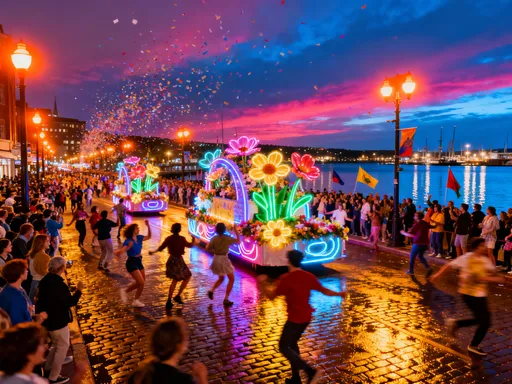
Other festivals, such as the “Fête de la Musique” or seasonal Christmas markets, transform the city into a tapestry of sound, light, and color. The markets, held in Place d’Armes and along the promenades, feature handcrafted goods, local foods, and twinkling decorations. These are ideal settings for candid photography—grandparents sipping glühwein, children peering into toy stalls, artisans arranging their wares. The key is respect: approach with a smile, ask before photographing individuals up close, and focus on moments of genuine interaction rather than intrusion.
Daily life along Rue du Fossé and in the city’s many parks also offers rich material. Elderly couples reading newspapers under plane trees, students sketching in notebooks, or friends sharing coffee at sidewalk cafés—all these scenes reflect the quiet dignity and warmth of Luxembourgish culture. A well-timed shot of sunlight filtering through leaves onto an open book, or steam rising from a coffee cup beside a handwritten note, can convey more than any landmark ever could.
For women who value connection, memory, and meaning, these images become treasured keepsakes. They are not just photos; they are echoes of a journey, reminders of moments that felt real. Photography, in this context, becomes an act of gratitude—an acknowledgment of beauty found in the ordinary.
From Snapshots to Stories: How to Make Your Photos Feel Alive
In an age of digital abundance, the value of a photograph lies not in how many you take, but in how deeply it resonates. Luxembourg City invites a shift from snapshot tourism to intentional image-making. It encourages photographers to ask: What does this scene mean? What emotion does it carry? What story does it want to tell?
The most powerful images often emerge from stillness. A single shot of an empty bench in a sunlit courtyard, a weathered hand holding a vintage camera, or a child’s drawing left on a park table—these moments speak of memory, curiosity, and the passage of time. Editing should be done with care: select images that evoke feeling, not just clarity. Crop to emphasize emotion. Adjust tones to reflect mood, not perfection. Let some imperfections remain—they are signs of authenticity.
Luxembourg rewards return visits. A location seen in spring bloom looks entirely different under winter frost. A mural photographed in daylight reveals new details under streetlight. By revisiting places, photographers build a deeper relationship with the city, one that goes beyond aesthetics to understanding. This is where legacy begins—not in viral posts, but in personal archives that grow richer with time.
Carry your camera not as a gadget, but as a passport to attention. Let it guide you to look closer, listen more, and feel deeply. In Luxembourg City, art is not confined to galleries. It lives in light, in stone, in laughter, in silence. It waits in every corner for someone willing to see—not just with their eyes, but with their soul.